
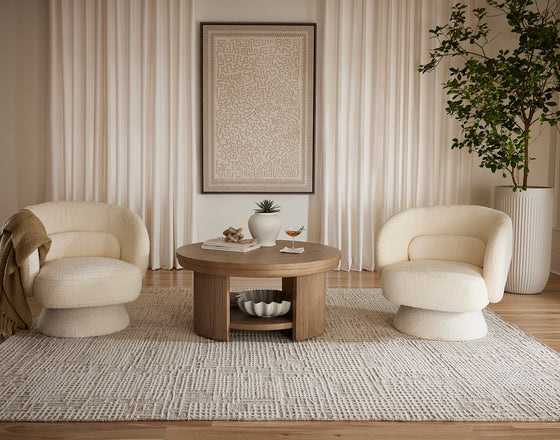
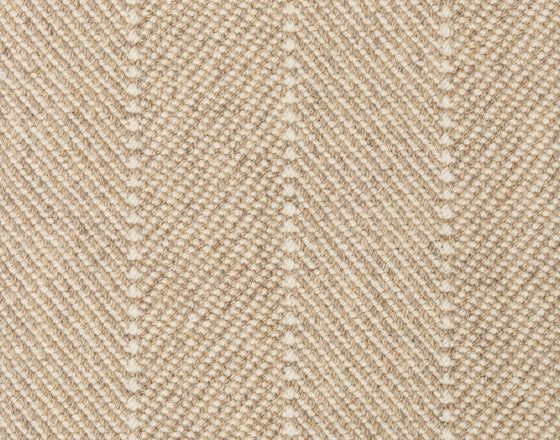





-
-
-
-
-
-
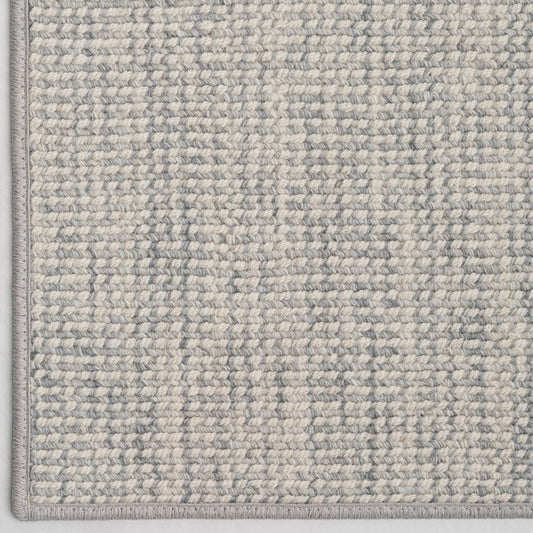
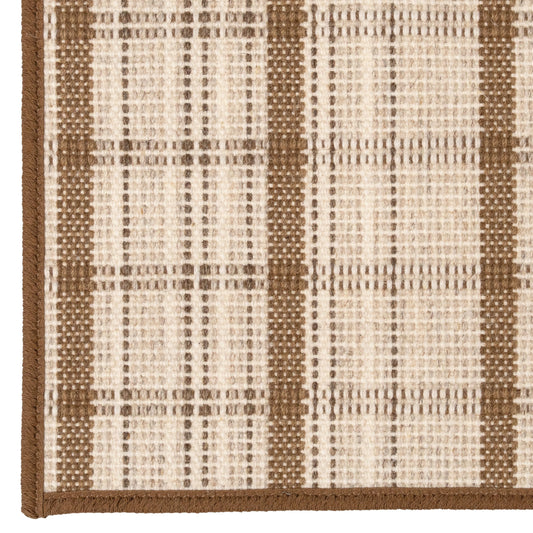
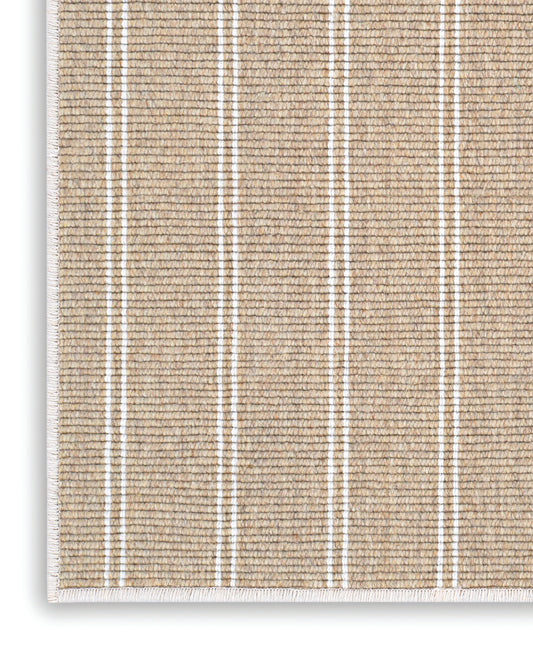
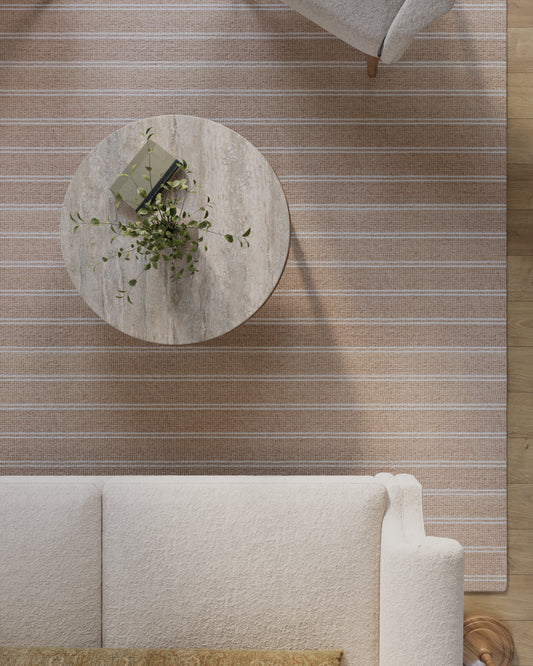
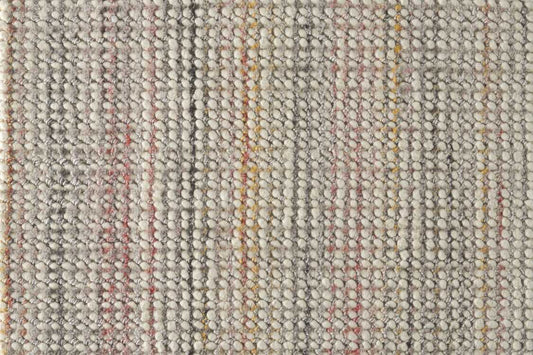
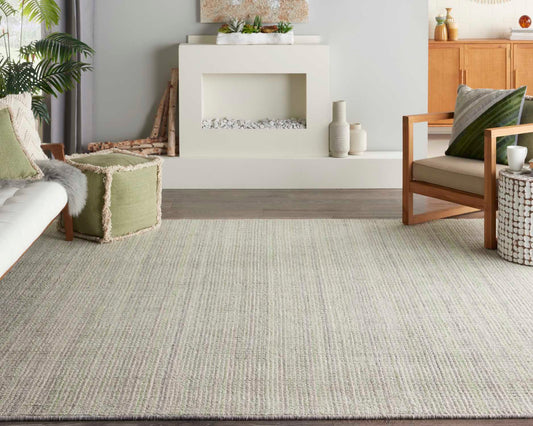
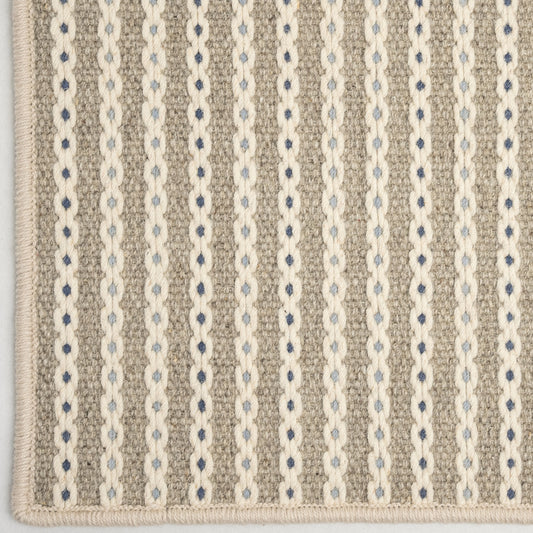
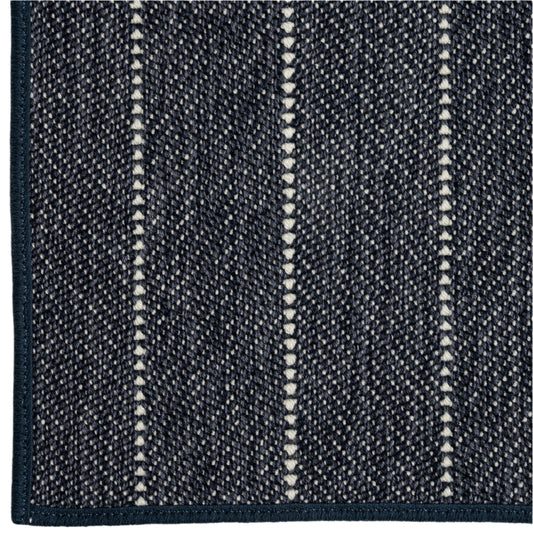
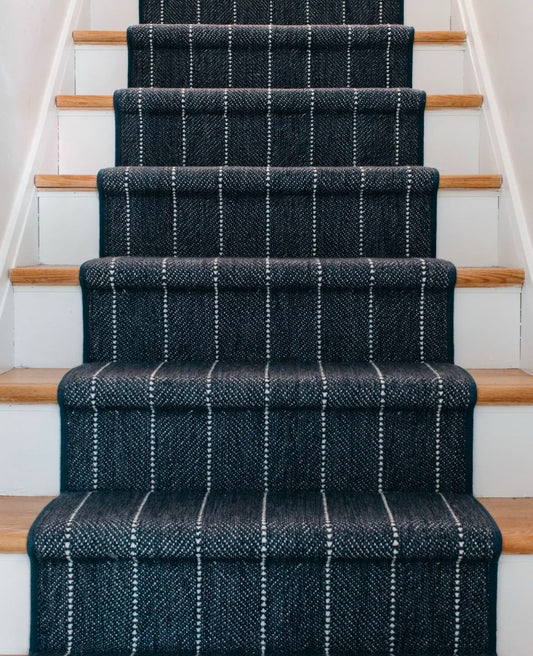
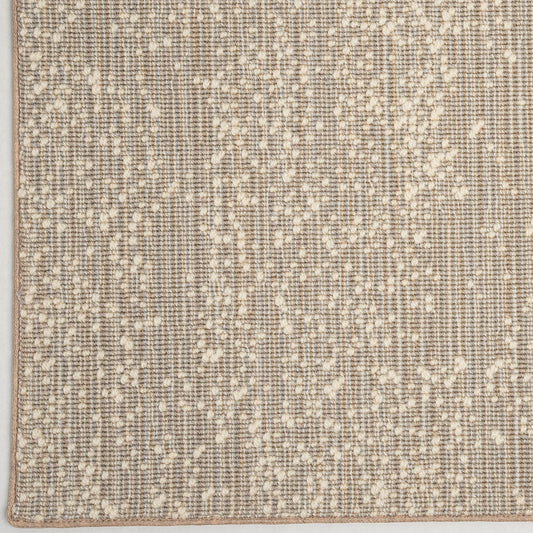
Roc Striae
Colorful wool-blend rug
Regular priceFrom $1,102.50Sale priceFrom $1,102.50Unit price per -
-
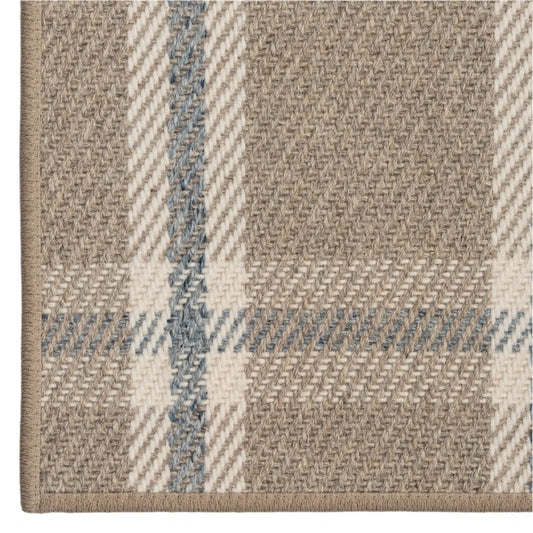
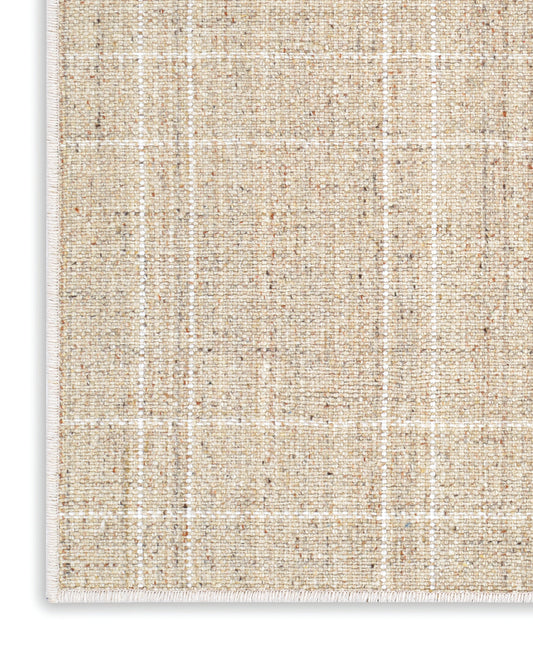
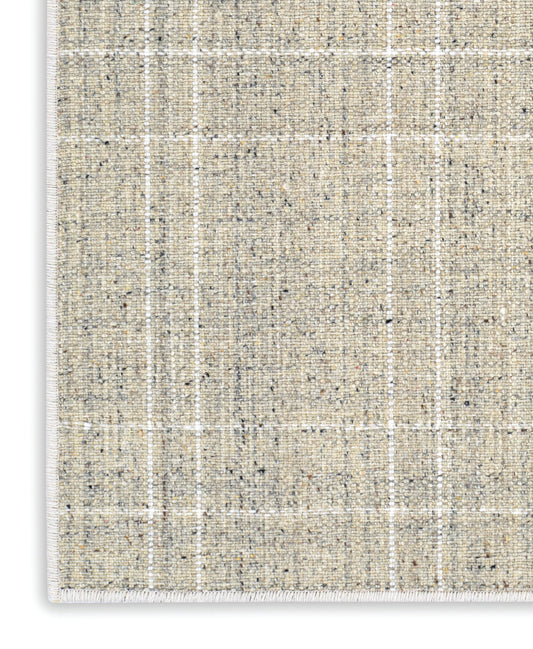
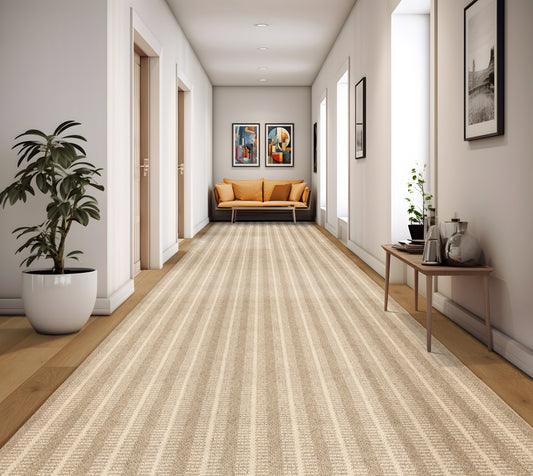
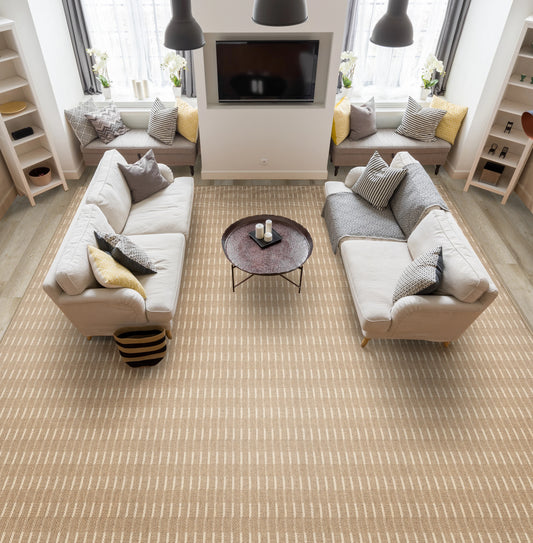
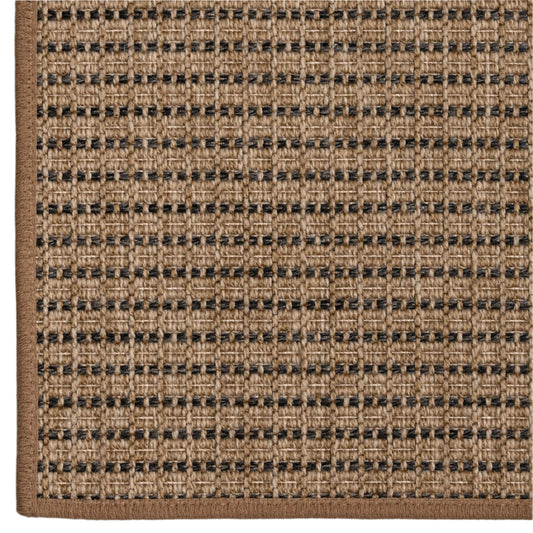
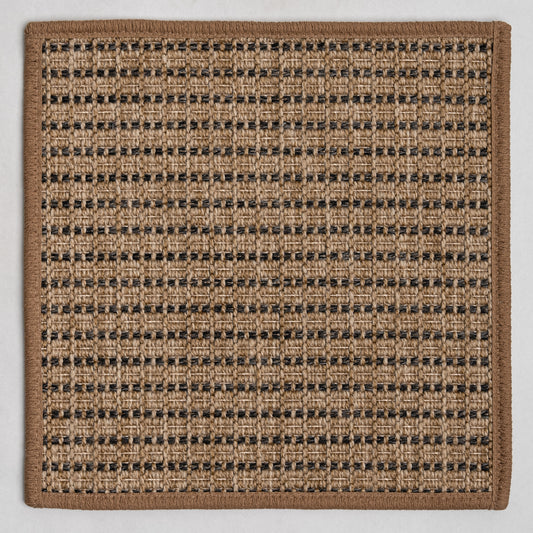
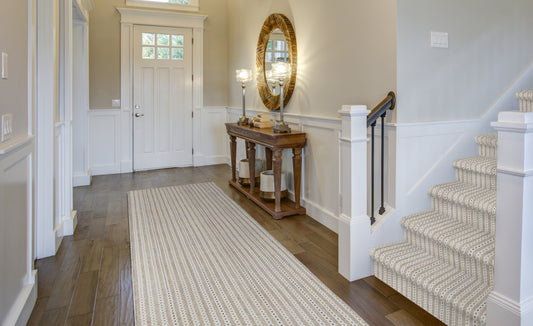
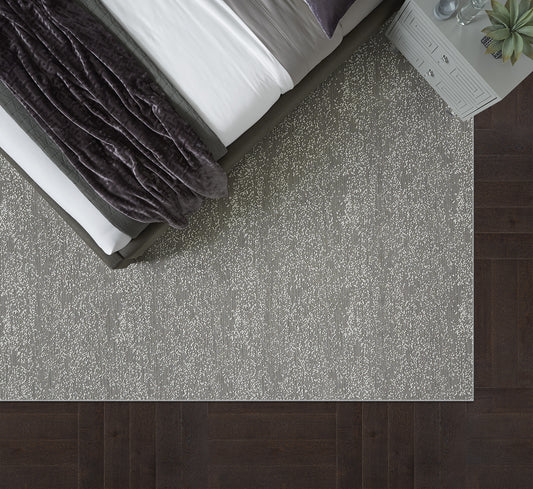
Wherever Sisal
Indoor/Outdoor rug
Regular priceFrom $1,102.50Sale priceFrom $1,102.50Unit price per -
-
-
-
-
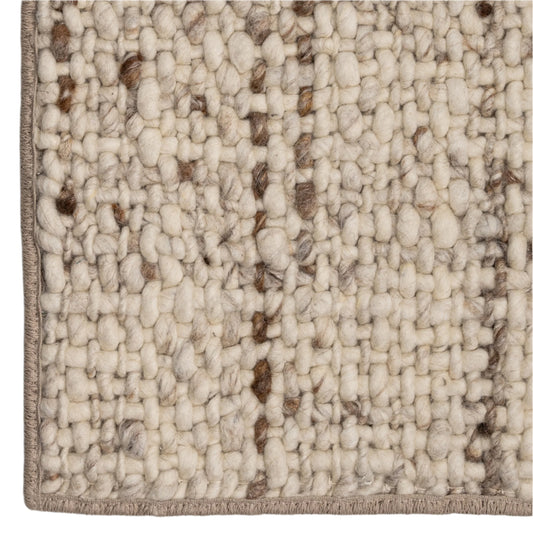








Area rugs | FAQs
Why are area rugs so expensive?
Why are area rugs so expensive?
Area rugs can be expensive due to the quality of materials, craftsmanship, and construction methods used. Rugs made from natural fibers like wool or silk, or hand-knotted rugs, require significant time and skilled labor, increasing their cost. Hand-knotted wool rugs, for example, can take months to complete and may cost several thousand dollars, while machine-made synthetic rugs can start well under $500. Size, design complexity, brand reputation, and durability also affect pricing. Higher-quality rugs typically last longer, maintain their appearance better, and offer greater long-term value. At Home Carpet One, we offer carefully selected area rugs and custom rug options designed to deliver lasting quality, style, and value for a wide range of spaces.
What are area rugs, and how can they improve a room?
What are area rugs, and how can they improve a room?
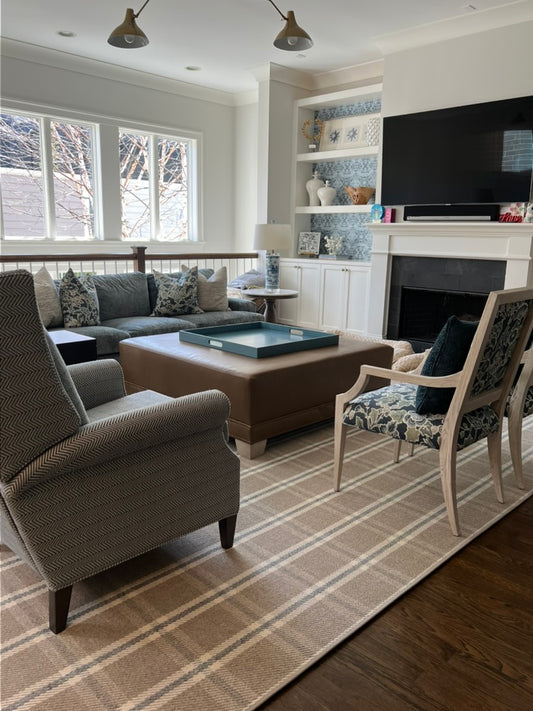
Area rugs are movable floor coverings that cover a specific portion of a room rather than the entire floor. They are available in various sizes, materials, and designs to suit different spaces and styles. Area rugs improve a room by adding warmth, comfort, and visual interest. They help define spaces, reduce noise, protect flooring, and enhance overall décor by introducing color, texture, and pattern. They are also an easy way to update a room's look without replacing the underlying floor.
How do I choose the right area rug size for my room?
How do I choose the right area rug size for my room?
To determine the correct size, measure the usable floor space and consider furniture placement. For living rooms, rugs should ideally anchor the front legs of sofas and chairs at a minimum. In dining areas, select a rug large enough to accommodate chairs when moved outward. Proper sizing ensures balanced visual proportion and functional coverage. At Home Carpet One, we specialize in custom-sized area rugs, so your rug can be made to fit your exact space rather than compromising with a standard size. Visit our showroom or book an appointment for personalized guidance on selecting the right area rug size, style, and material for your home.
What are the advantages of natural fiber area rugs?
What are the advantages of natural fiber area rugs?
Natural fiber rugs, such as wool, jute, and sisal, offer durability, organic texture, and breathability. Wool provides resilience and stain resistance. Jute and sisal offer a distinctive textured look but are less moisture-resistant and are better suited to dry areas. Natural fibers also support improved indoor air quality by reducing static and capturing airborne particles more effectively than some synthetic alternatives. One consideration: natural fiber rugs, particularly wool, may shed initially and can require more careful cleaning than synthetic options.
Are synthetic area rugs suitable for high-traffic areas?
Are synthetic area rugs suitable for high-traffic areas?
Synthetic area rugs, such as those made from polypropylene or nylon, are well-suited for high-traffic areas due to their stain resistance and abrasion tolerance. These rugs maintain their appearance despite repeated use and are particularly effective in homes with children, pets, or frequent foot traffic. Between the two, nylon generally offers greater durability and resilience, while polypropylene is more affordable and highly moisture-resistant, a popular choice for indoor-outdoor use.
How should area rugs be cleaned and maintained?
How should area rugs be cleaned and maintained?
At Home Carpet One, proper area rug care begins with routine maintenance. Regular vacuuming without a beater bar helps prevent fiber damage and preserves texture. Spills should be addressed immediately by blotting, not rubbing, using a dry cloth (especially for wool) or mild, fiber-appropriate cleaners. Periodic professional deep cleaning is recommended to remove embedded dirt and restore the rug's pile and appearance. Excessive moisture should always be avoided to protect the backing and maintain long-term durability.
What is the best material for an area rug?
What is the best material for an area rug?
Wool is widely considered the best all-round material for area rugs, offering durability, natural stain resistance, and a long lifespan. For high-traffic or pet-friendly homes, nylon is an excellent alternative with outstanding durability and stain resistance. For budget-conscious buyers or moisture-prone spaces, polypropylene is affordable and easy to maintain.
What rug materials are best for allergy sufferers?
What rug materials are best for allergy sufferers?
Low-pile rugs made from wool are the best choice for allergy sufferers, as they trap less dust and are easier to keep clean than high-pile options. Frequent vacuuming and professional cleaning further minimize allergens. Avoid shag or high-pile options if dust accumulation is a concern.
What to avoid when buying an area rug?
What to avoid when buying an area rug?
Avoid selecting an area rug without measuring your space properly, as incorrect sizing can disrupt room balance. Do not overlook material quality, pile height, and durability requirements for your traffic level. Avoid extremely thin backing without a rug pad, low-quality dyes that may fade, and materials unsuitable for moisture-prone areas. Also avoid buying without checking the rug's care requirements. Some materials, such as silk or hand-knotted wool, need professional cleaning only and are unsuitable for high-spill areas.
How do I prevent area rugs from slipping on hard floors?
How do I prevent area rugs from slipping on hard floors?
Use a quality rug pad sized to match the rug dimensions. Rug pads not only prevent slipping but also cushion foot traffic and protect flooring. For hardwood floors, a felt or felt-and-rubber combination pad is generally recommended; felt protects the finish while rubber grips the floor. Select a pad with appropriate thickness and grip characteristics based on floor type and expected use.