



-
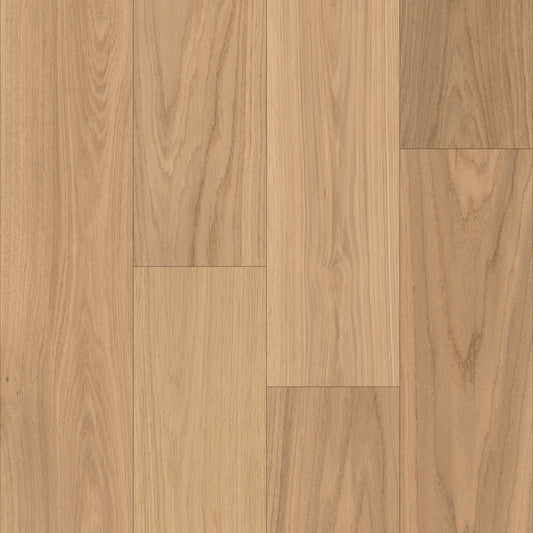
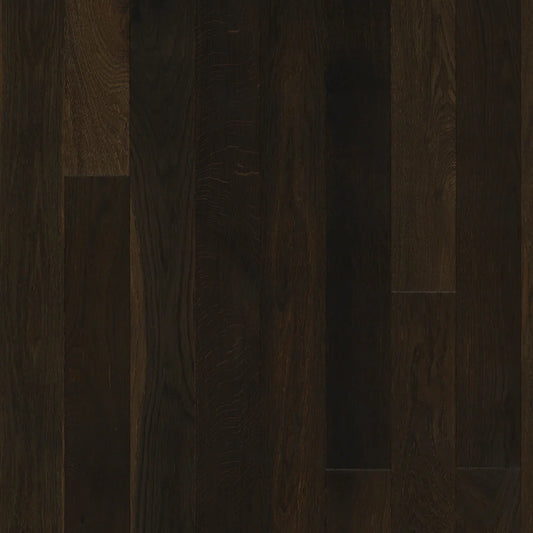
Calais Basin Oak
Oak engineered hardwood
Regular price/sfSale priceRegular price $12.64/sfUnit price per -
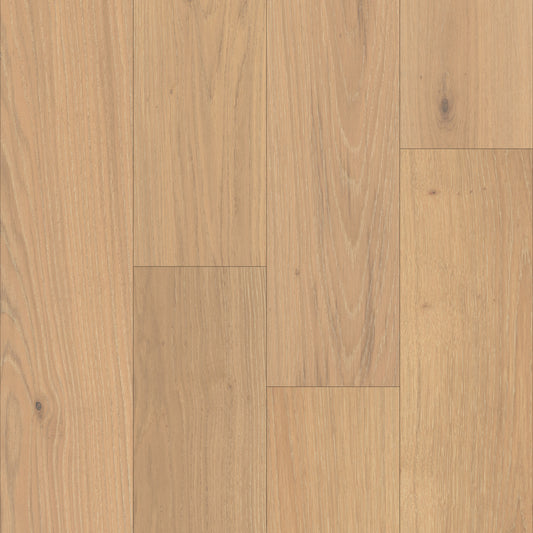
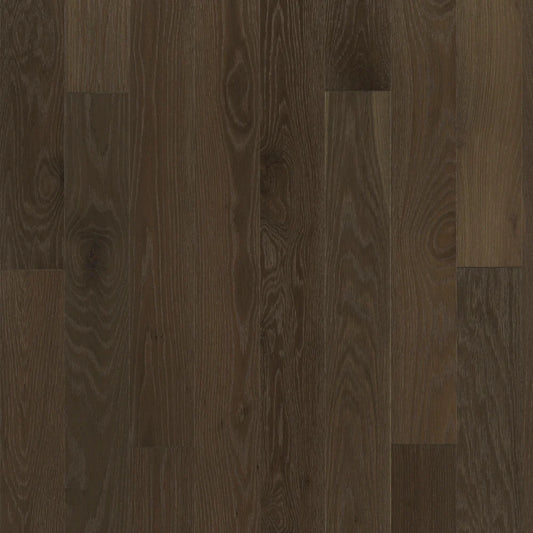
Vestige Bouillon Oak
Oak engineered hardwood
Regular price/sfSale priceRegular price $16.42/sfUnit price per -
Vestige Ibelin Oak
Oak engineered hardwood
Regular price/sfSale priceRegular price $16.42/sfUnit price per -
Vestige Sonoran Oak
Oak engineered hardwood
Regular price/sfSale priceRegular price $16.42/sfUnit price per -
Vestige Beaumond Oak
Oak engineered hardwood
Regular price/sfSale priceRegular price $16.42/sfUnit price per -
Vestige Edesa Oak
Oak engineered hardwood
Regular price/sfSale priceRegular price $16.42/sfUnit price per -
Calais Whiskey Oak
Oak engineered hardwood
Regular price/sfSale priceRegular price $12.64/sfUnit price per -
Calais Sunlit Oak
Oak engineered hardwood
Regular price/sfSale priceRegular price $12.64/sfUnit price per -
Calais Odyssey Oak
Oak engineered hardwood
Regular price/sfSale priceRegular price $12.64/sfUnit price per -
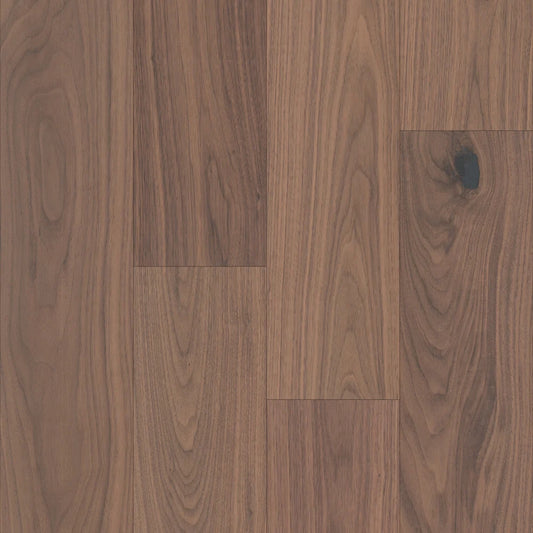
Versailles Reverie Walnut
Walnut engineered hardwood
Regular price/sfSale priceRegular price $13.98/sfUnit price per -
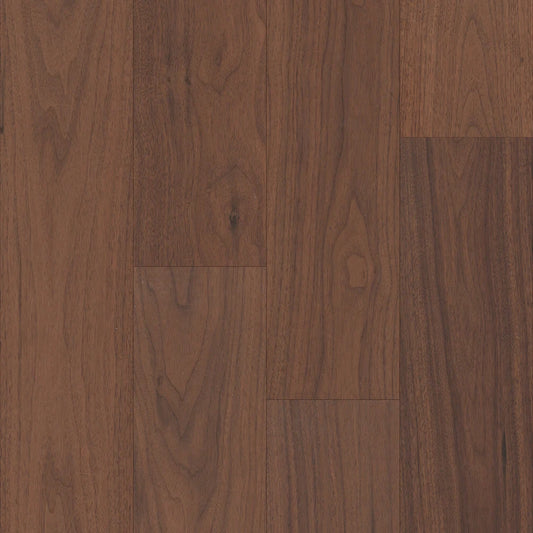
Versailles Asher Walnut
Walnut engineered hardwood
Regular price/sfSale priceRegular price $13.98/sfUnit price per -
Relic Jasmine
Ash engineered hardwood
Regular price/sfSale priceRegular price $16.87/sfUnit price per -
Relic Bark
Ash engineered hardwood
Regular price/sfSale priceRegular price $16.87/sfUnit price per -
Relic Ranchero
Ash engineered hardwood
Regular price/sfSale priceRegular price $16.87/sfUnit price per -
Relic Oyster
Ash engineered hardwood
Regular price/sfSale priceRegular price $16.87/sfUnit price per -
Relic Mystic
Ash engineered hardwood
Regular price/sfSale priceRegular price $16.87/sfUnit price per -
Relic Torino
Ash engineered hardwood
Regular price/sfSale priceRegular price $16.87/sfUnit price per -
Relic Sandbar
Ash engineered hardwood
Regular price/sfSale priceRegular price $16.87/sfUnit price per -
Relic Marina
Ash engineered hardwood
Regular price/sfSale priceRegular price $16.87/sfUnit price per -
Manor Dusk
Oak engineered hardwood
Regular price/sfSale priceRegular price $12.87/sfUnit price per -
Manor Graphite
Oak engineered hardwood
Regular price/sfSale priceRegular price $12.87/sfUnit price per -
Manor Ginger
Oak engineered hardwood
Regular price/sfSale priceRegular price $12.87/sfUnit price per -
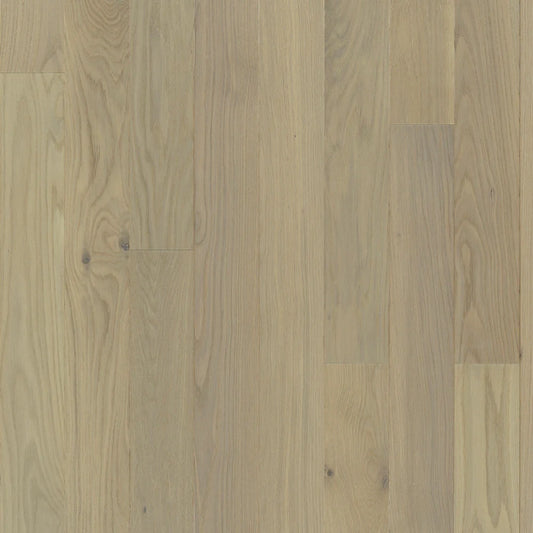
Manor Opal
Oak engineered hardwood
Regular price/sfSale priceRegular price $12.87/sfUnit price per -
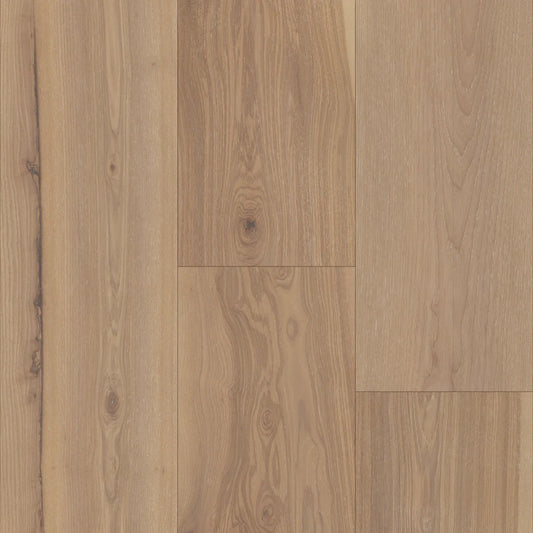
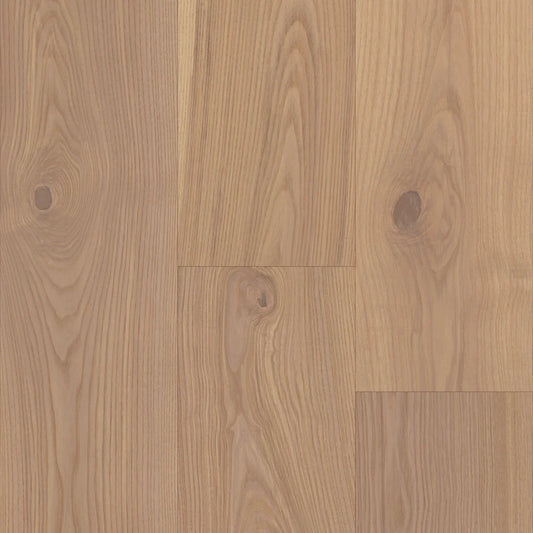
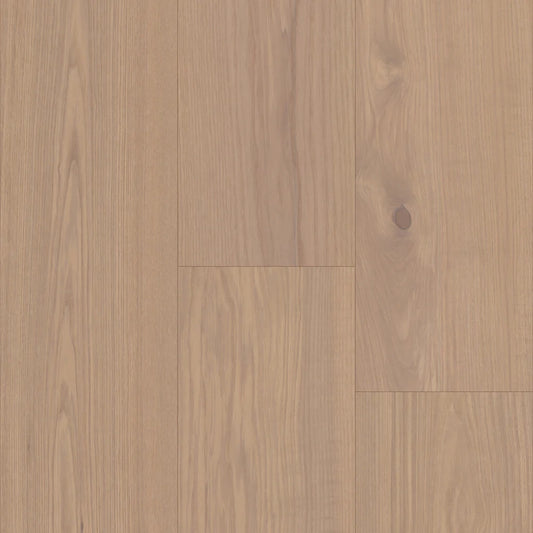
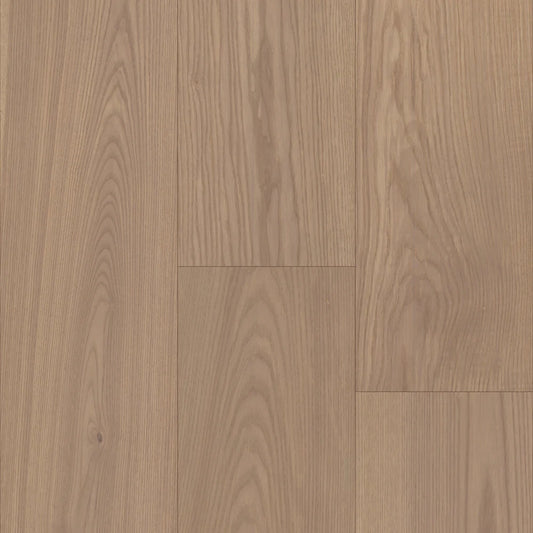
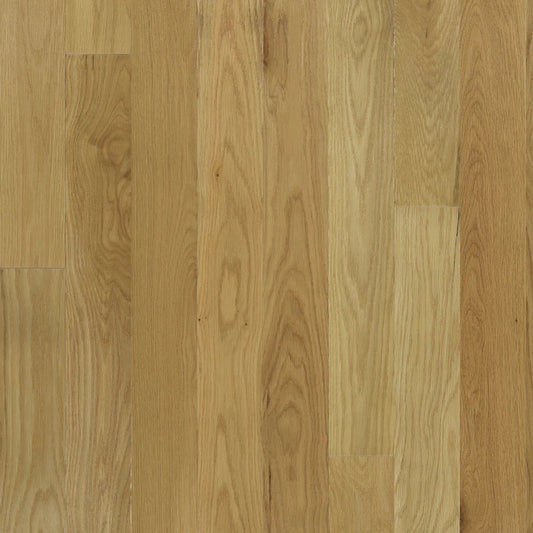
Manor Classic
Oak engineered hardwood
Regular price/sfSale priceRegular price $12.87/sfUnit price per
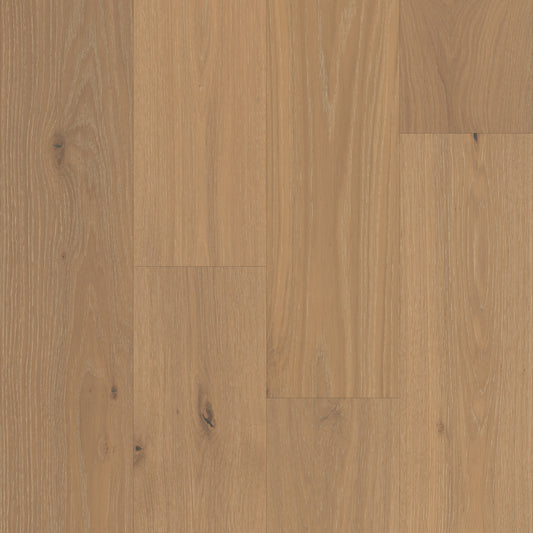
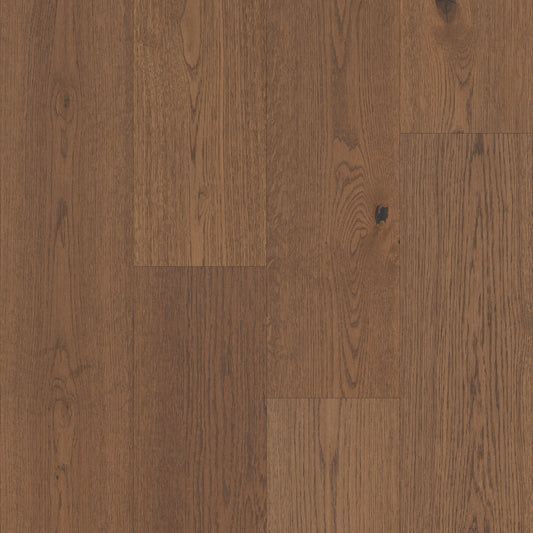
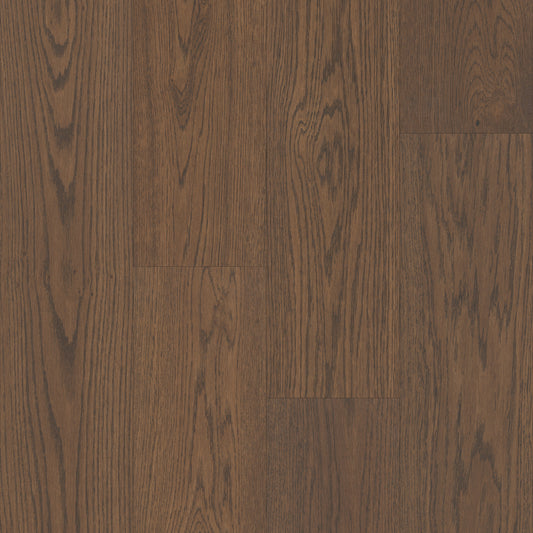
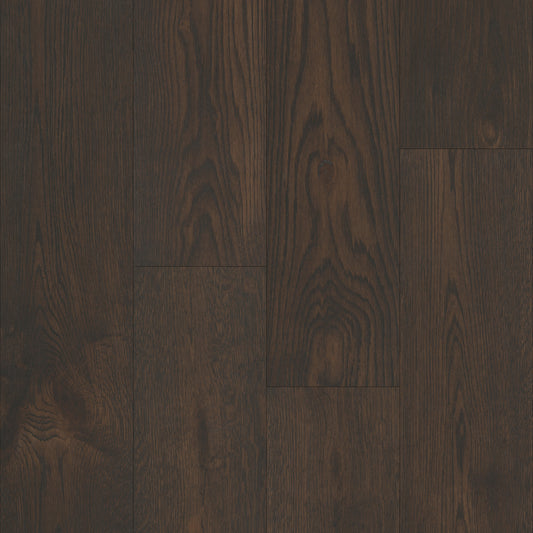
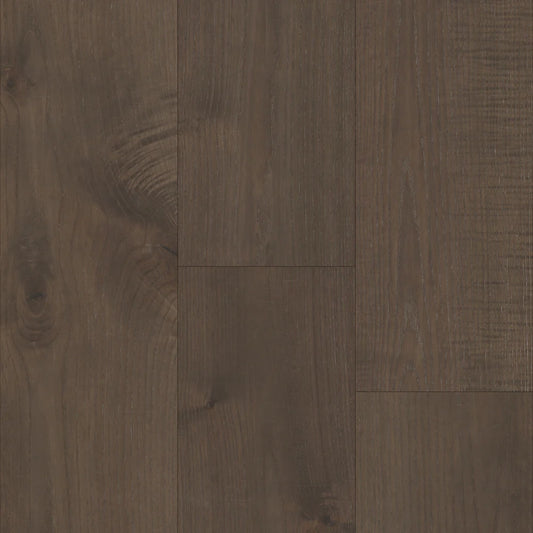
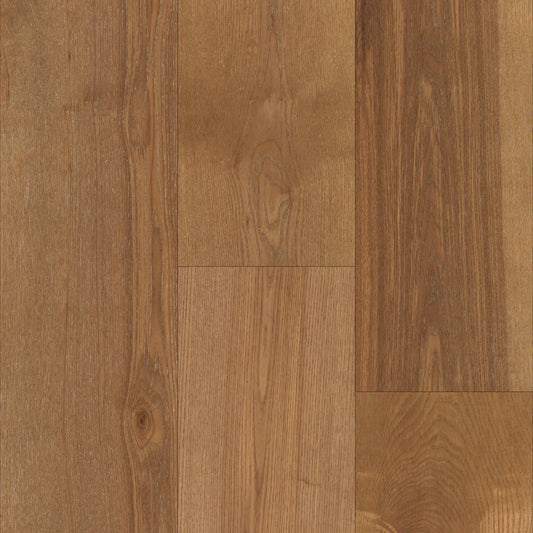
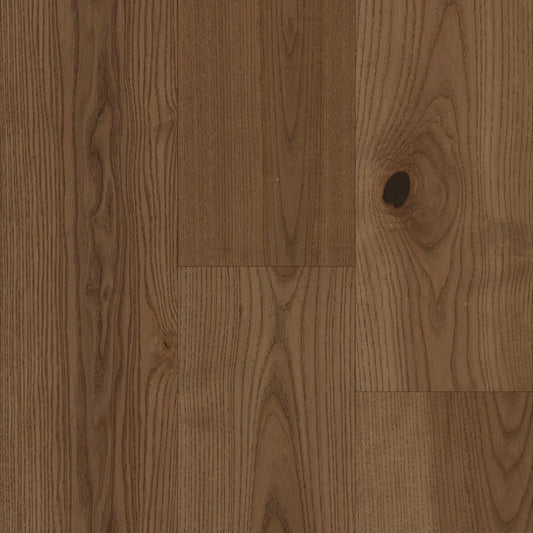
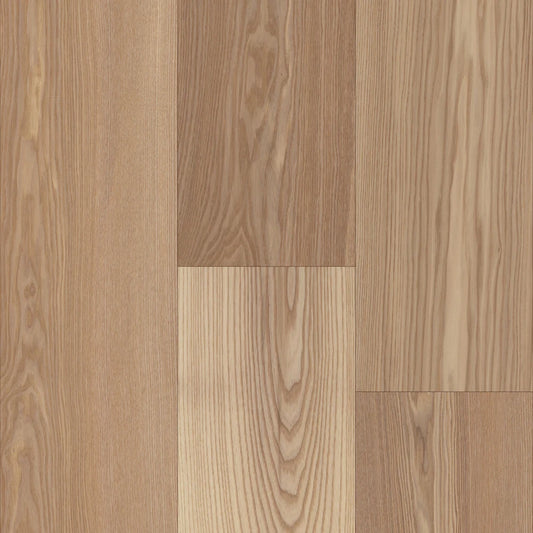

Hardwood | FAQs
What types of hardwood flooring are available?
What types of hardwood flooring are available?
At Home Carpet One, the hardwood flooring collection includes both solid and engineered planks to suit a variety of performance and design needs. Species options may include oak, maple, hickory, and select exotic woods. Variations in finish, grade, and wide plank width (a popular current trend for a more open, contemporary feel) provide added design flexibility. Engineered hardwood offers greater moisture resistance than solid wood, while solid hardwood supports more refinishing cycles over its extended lifespan.
What is the difference between engineered hardwood and solid hardwood?
What is the difference between engineered hardwood and solid hardwood?
The key difference is construction and stability: engineered hardwood has a layered core topped with a real wood veneer, making it more dimensionally stable in varying humidity; solid hardwood is a single layer of wood that can be refinished more times but is more sensitive to moisture. Engineered hardwood can typically be refinished once or twice, depending on veneer thickness, which is an important consideration for long-term planning. Engineered products are typically recommended for basements or over radiant heat systems.
How do you maintain hardwood floors?
How do you maintain hardwood floors?
Sweep or dust mop regularly, mop periodically with a manufacturer-approved cleaner, and address spills promptly to keep hardwood floors in good condition. Avoid abrasive tools and excessive moisture, as these can damage finishes. Note that engineered hardwood can only be refinished a limited number of times, depending on veneer thickness, typically once or twice, whereas solid hardwood can be refinished many more times. Periodic professional refinishing restores surface appearance.
Are hardwood floors suitable for high-traffic areas?
Are hardwood floors suitable for high-traffic areas?
Yes, hardwood flooring performs well in high-traffic zones when finished with durable protective coatings. At Home Carpet One, premium hardwood options are selected with strong protective finishes to enhance wear resistance and long-term performance. Species with higher Janka hardness ratings offer greater resistance to dents and surface wear. For reference, hickory and white oak rate among the harder domestic species, making them popular choices for busy households. Proper finish selection and protective measures, such as strategically placed area rugs and routine maintenance, further extend durability in busy residential and commercial spaces.
Can hardwood flooring be installed over radiant heating systems?
Can hardwood flooring be installed over radiant heating systems?
Certain engineered hardwood products are compatible with radiant heat systems, provided installation guidelines and temperature controls are followed. Solid hardwood is more sensitive to moisture and expansion from heat. Always confirm manufacturer specifications to ensure suitability and warranty compliance.
Why does hardwood flooring change color over time?
Why does hardwood flooring change color over time?
Hardwood floors change color primarily due to UV exposure. This change is normal and expected, not a defect. Many species, including cherry and walnut, darken noticeably over time, while others, like white oak, mellow gradually. Rotating rugs and furniture periodically can help even out this effect. Hardwood color also varies due to species characteristics, natural grain patterns, and finishing methods.
Is hardwood or carpet better?
Is hardwood or carpet better?
Neither is universally better; the right choice depends on the room and the person. Hardwood is generally better for main living areas, kitchens, and hallways; carpet is generally better for bedrooms and upstairs areas where comfort and noise reduction are priorities. Hardwood provides long-term durability, easier cleaning, and typically stronger resale value; it is consistently cited as a desirable feature by homebuyers. Carpet offers greater softness, insulation, and sound absorption. The best choice depends on room function, maintenance preferences, comfort needs, and budget.
What are the different methods for installing hardwood floors?
What are the different methods for installing hardwood floors?
The four main installation methods are nail-down, staple-down, glue-down, and floating, each suited to different subfloors and product types. Nail-down and staple-down are traditional methods suited to wood subfloors. Glue-down is common for engineered hardwood over concrete. Floating installation, where planks lock together without being fixed to the subfloor, is a popular DIY-friendly option for engineered hardwood products. Proper installation ensures stability, performance, and compliance with manufacturer requirements.
Are hardwood floors environmentally sustainable?
Are hardwood floors environmentally sustainable?
Yes, hardwood floors can be environmentally sustainable when sourced responsibly. Hardwood flooring from responsibly managed forests supports sustainability goals, and certifications such as FSC (Forest Stewardship Council) indicate adherence to eco-friendly harvesting practices. Engineered hardwood products also maximize wood utilization by using thinner veneers over composite cores, reducing raw material consumption. At Home Carpet One, hardwood flooring options are carefully selected with quality, durability, and responsible sourcing standards in mind.
Are hardwood floors good for people with allergies?
Are hardwood floors good for people with allergies?
Yes, hardwood floors are a good choice for allergy sufferers because they don't trap dust, pet dander, or other allergens the way carpet does, and are easy to clean thoroughly. Low-VOC finishes and adhesives minimize chemical emissions. Look for hardwood products with GREENGUARD or FloorScore certification, which confirm low VOC emissions, particularly important during and shortly after installation. Proper ventilation during installation further supports healthier indoor air quality.