





-
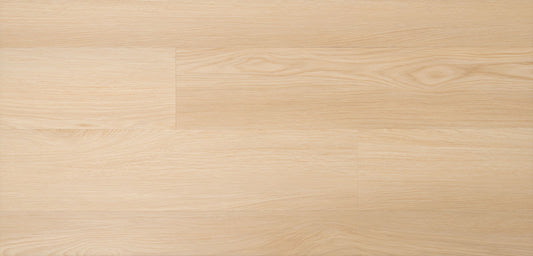
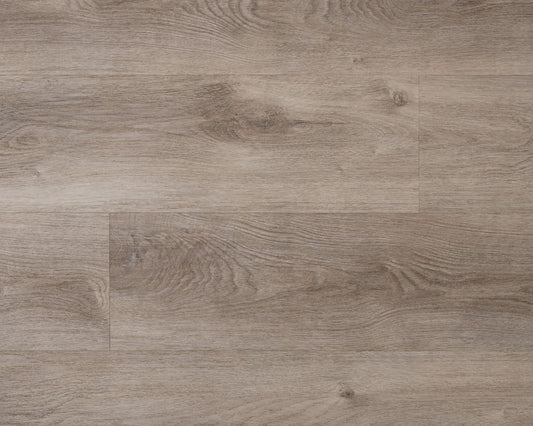
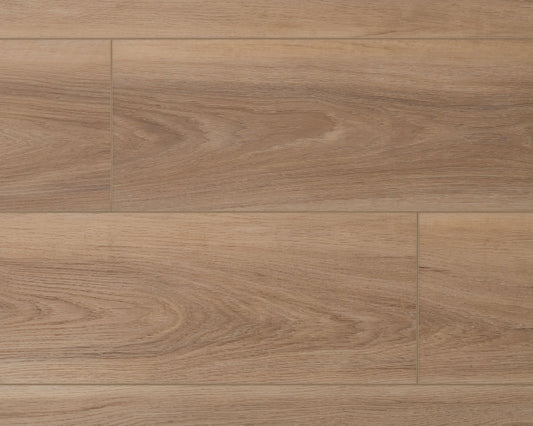
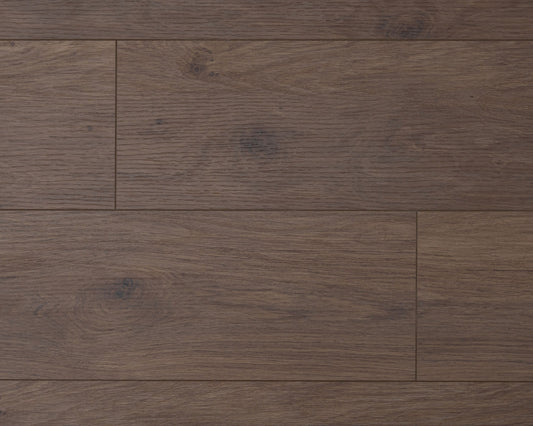
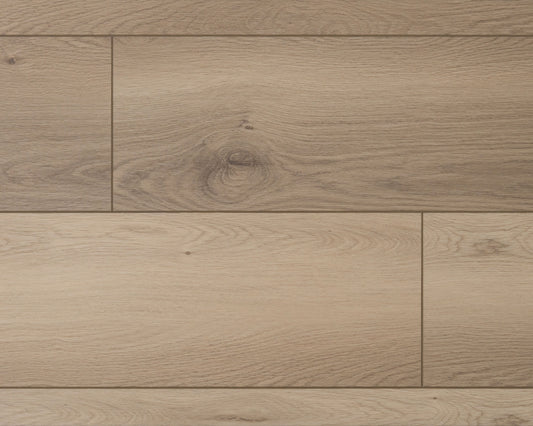
Almond Bark
Brown 7 x 60 luxury vinyl
Regular price/sfSale priceRegular price $3.99/sfUnit price per -
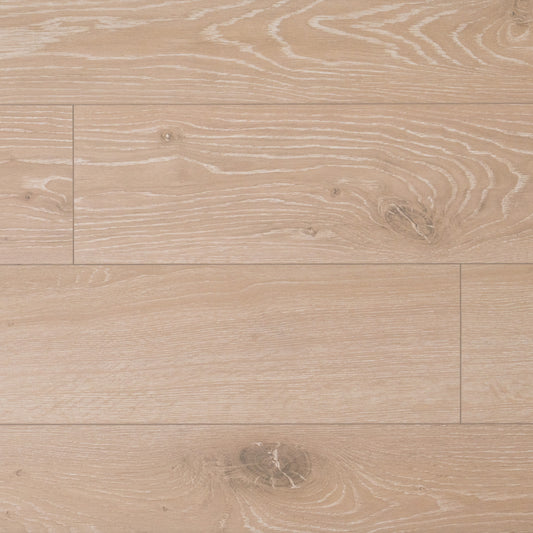
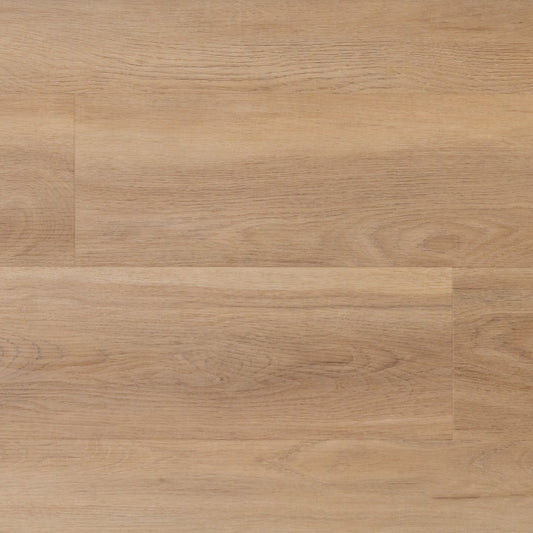
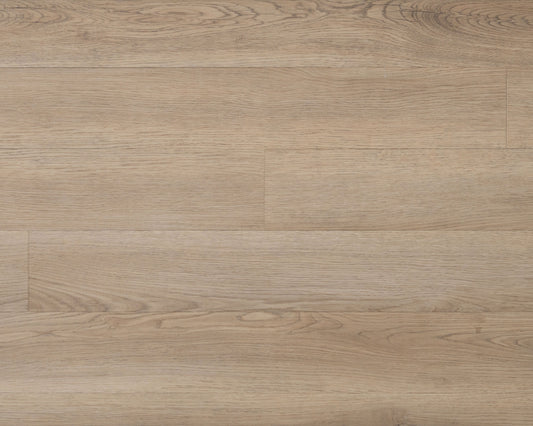
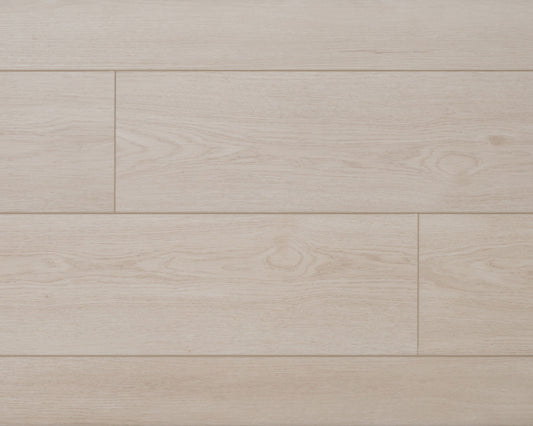
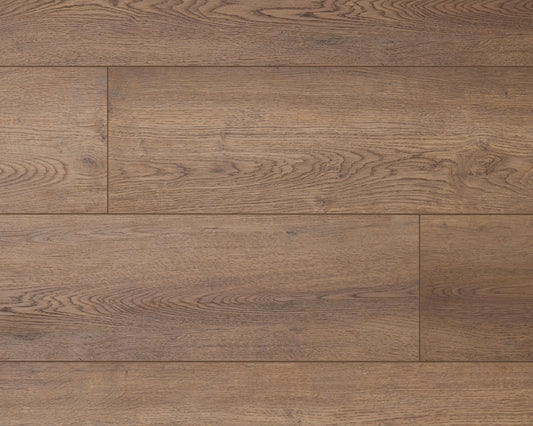
Toasted Coconut
Beige 7 x 60 luxury vinyl
Regular price/sfSale priceRegular price $3.99/sfUnit price per -
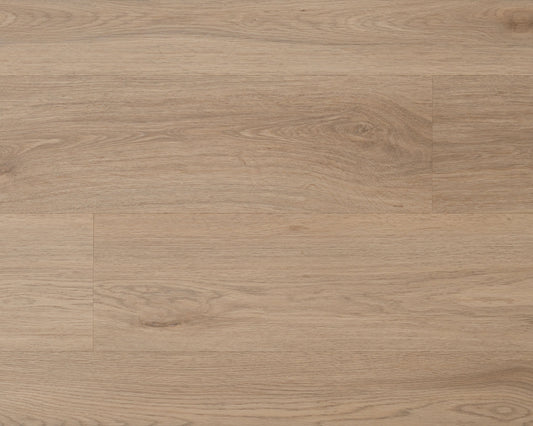
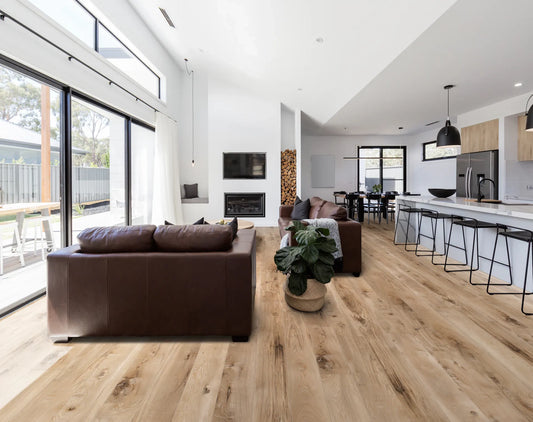
Rigid Core Springfield
Blonde 7 x 48 luxury vinyl
Regular price/sfSale priceRegular price $4.49/sfUnit price per -
Rigid Core Whitfield Gray 2.0
Gray 7 x 48 luxury vinyl
Regular price/sfSale priceRegular price $3.99/sfUnit price per -
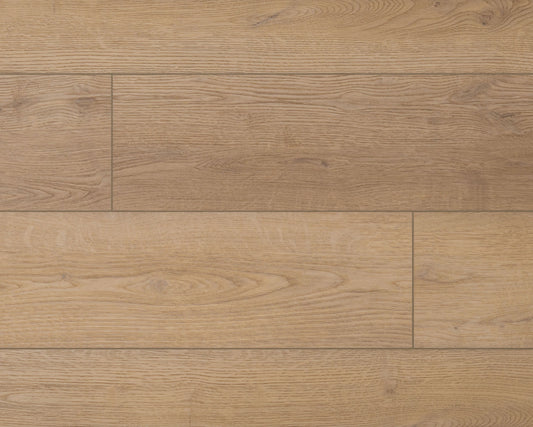
Rigid Core Jute Oak
Blonde 8 x 54 luxury vinyl plank
Regular price/sfSale priceRegular price $4.99/sfUnit price per -
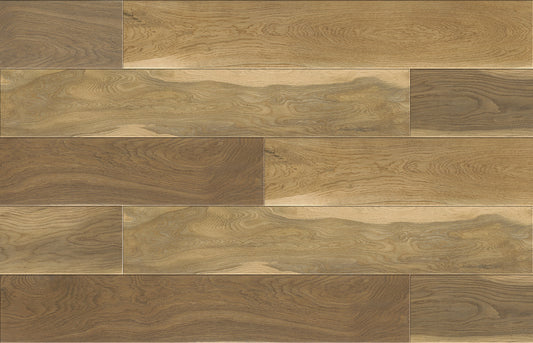
Sheridan Walnut
Brown 9 x 72 luxury vinyl
Regular price/sfSale priceRegular price $5.99/sfUnit price per -
Rigid Core Summer Oak
Blonde 4 x 48 luxury vinyl
Regular price/sfSale priceRegular price $4.99/sfUnit price per -
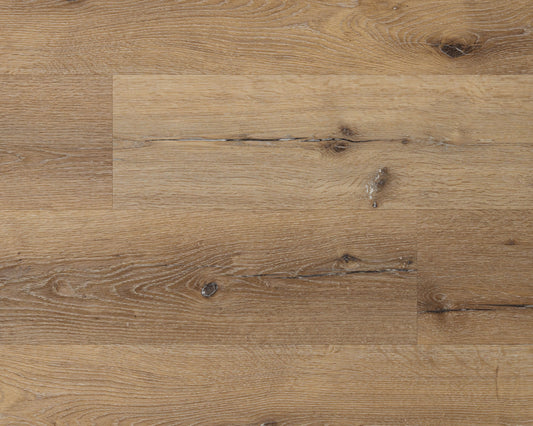
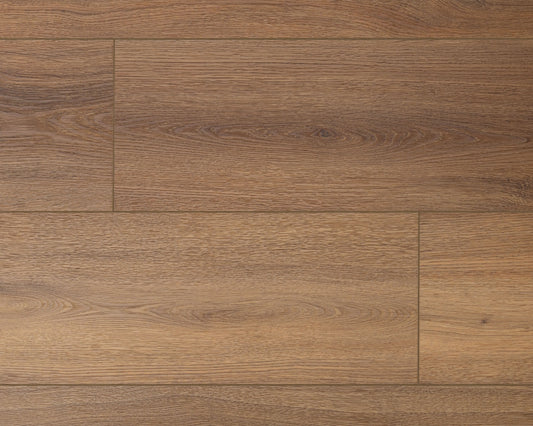
Farmhouse Oak
Brown 7 x 60 luxury vinyl
Regular price/sfSale price on sale from $4.49/sfRegular price $0.00/sf on sale from $4.49/sfUnit price perSale -
Whitaker Oak
Blonde 7 x 60 luxury vinyl
Regular price/sfSale priceRegular price $5.49/sfUnit price per -
Rigid Core Prairie Oak
Beige 9x72 luxury vinyl
Regular price/sfSale priceRegular price $4.99/sfUnit price per -
Rigid Core Grove
Gray 7 x 48 luxury vinyl
Regular price/sfSale priceRegular price $5.49/sfUnit price per -
Rigid Core Bronze
Brown 9 x 59 luxury vinyl
Regular price/sfSale priceRegular price $4.49/sfUnit price per -
Rigid Core Emerald
Beige 7 x 47 luxury vinyl
Regular price/sfSale priceRegular price $4.99/sfUnit price per -
Rigid Core Sandstorm
Brown 7 x 48 laminate
Regular price/sfSale priceRegular price $4.49/sfUnit price per -
Rigid Core XL Sand
Blonde 9 x 60 luxury vinyl
Regular price/sfSale priceRegular price $5.99/sfUnit price per -
-
Rigid Core Seaboard
Brown 9 x 70 luxury vinyl
Regular price/sfSale priceRegular price $5.49/sfUnit price per -
Bellevue Avenue Camel
Blonde 9 x 56 luxury vinyl
Regular price/sfSale priceRegular price $4.99/sfUnit price per -
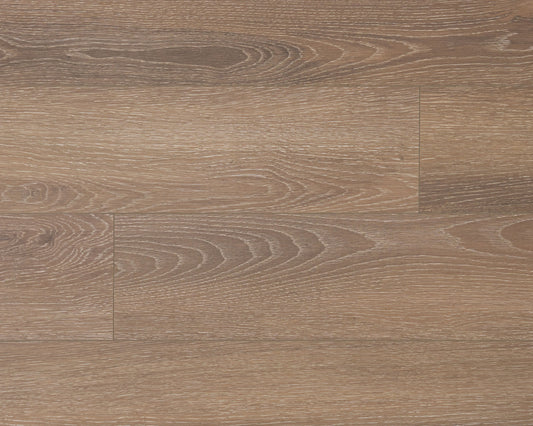
Rigid Core Artisan
Brown 7 x 60 luxury vinyl
Regular price/sfSale priceRegular price $5.49/sfUnit price per -
Rigid Core Spring
Blonde 7 x 48 luxury vinyl
Regular price/sfSale priceRegular price $4.99/sfUnit price per -
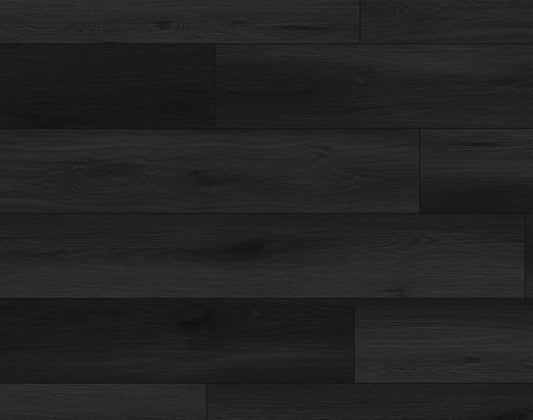
Oakdale Onyx
Black 9 x 60 luxury vinyl
Regular price/sfSale priceRegular price $4.99/sfUnit price per

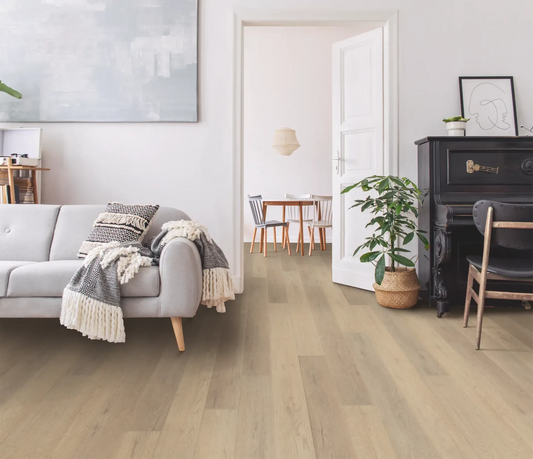
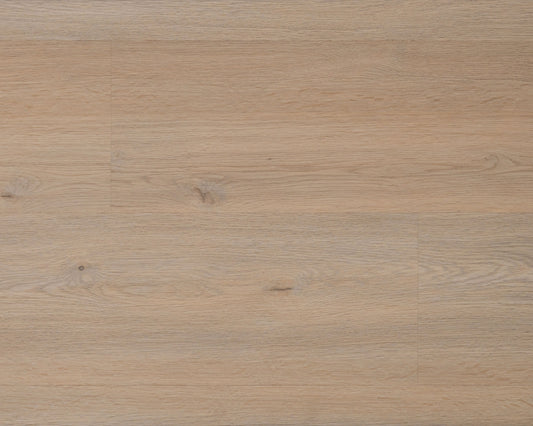
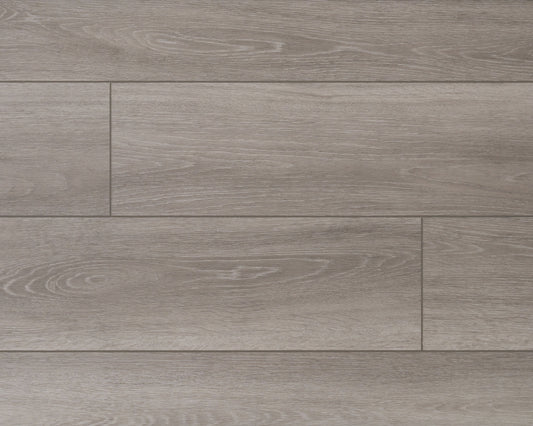
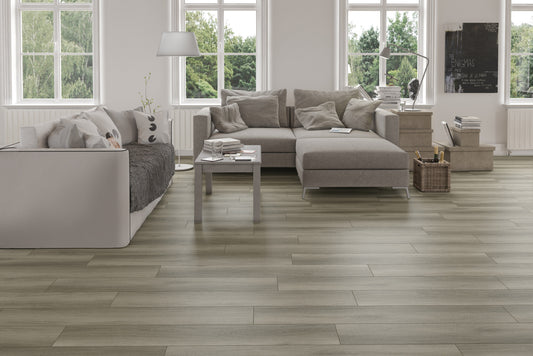





Vinyl & Laminate | FAQs
What is vinyl flooring?
What is vinyl flooring?
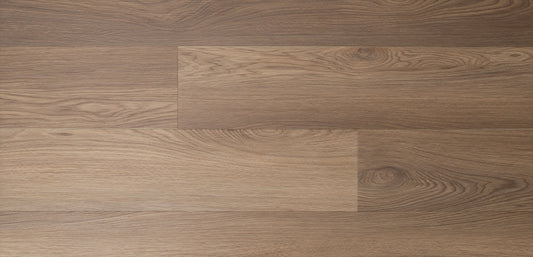
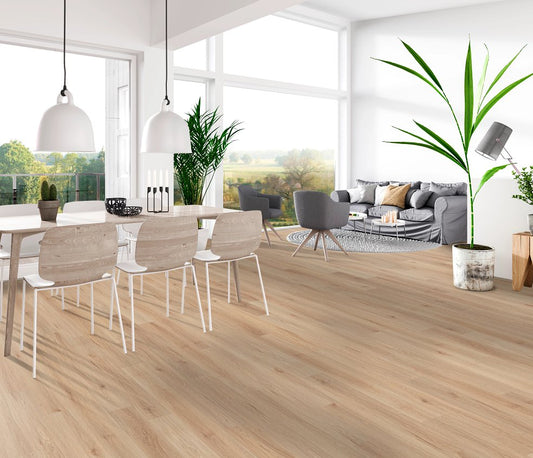
Vinyl flooring is a resilient, synthetic flooring material made primarily from PVC (polyvinyl chloride). Popular forms include luxury vinyl plank (LVP), luxury vinyl tile (LVT), and sheet vinyl. It is designed to mimic the look of wood, stone, or tile while offering water resistance, durability, and easy maintenance. Vinyl flooring at Home Carpet One is a versatile option for both residential and commercial spaces, valued for its affordability, long-lasting durability, and excellent moisture resistance.
What is vinyl plank flooring?
What is vinyl plank flooring?
Vinyl plank flooring is a durable, water-resistant synthetic flooring that mimics the look of hardwood. Also known as luxury vinyl plank (LVP), it is one of the most searched and purchased flooring types today. It is made from layered PVC with a protective wear layer for strength and easy maintenance. Many vinyl planks include attached underlayment. If not, a thin foam or cork underlayment may be required for cushioning, sound control, and moisture protection, especially over concrete subfloors.
What is the difference between vinyl flooring and laminate?
What is the difference between vinyl flooring and laminate?
The key difference is moisture resistance: vinyl is fully waterproof, making it the better choice for kitchens, bathrooms, and basements, while laminate is better suited to dry areas where a rigid, wood-look finish is the priority. Vinyl flooring is made primarily from PVC and has a softer feel underfoot. Laminate is made from a high-density fiberboard (HDF) core with a photographic wood layer and protective top coating, offering strong scratch resistance. Note that some premium laminate now features water-resistant cores, though vinyl remains the stronger choice for consistently wet areas. Bottom line: choose vinyl for wet or moisture-prone areas; choose laminate for dry spaces where a rigid, wood-look finish is the priority.
Is vinyl flooring toxic?
Is vinyl flooring toxic?
Home Carpet One vinyl flooring is manufactured in accordance with modern safety standards and is considered safe for use. Many reputable products are low in volatile organic compounds (VOCs) and meet indoor air quality certifications, such as GREENGUARD Gold or FloorScore. However, lower-quality vinyl may contain higher levels of chemicals such as phthalates or emit VOCs, especially shortly after installation. To reduce potential risks, choose certified low-VOC or phthalate-free vinyl flooring (you can look for GREENGUARD or FloorScore labels as reliable indicators) and ensure proper ventilation during and after installation.
What is the difference between vinyl sheet flooring and vinyl plank flooring?
What is the difference between vinyl sheet flooring and vinyl plank flooring?
Vinyl sheet and vinyl plank (LVP) are both types of vinyl flooring but suit different needs. Vinyl sheet is a continuous, seamless roll that is typically more affordable and leaves no grout lines or seams. Vinyl plank is made up of individual planks designed to mimic hardwood, with a more realistic wood-look aesthetic and easier spot repair. For a budget-friendly, seamless solution choose sheet vinyl; for a hardwood appearance with greater design versatility, choose LVP.
Is vinyl or laminate flooring better?
Is vinyl or laminate flooring better?
Vinyl is generally the better choice for moisture-prone areas; laminate is better for dry spaces where scratch resistance and a rigid wood feel are priorities. Vinyl is water-resistant or waterproof, making it ideal for kitchens, bathrooms, and basements. It is also softer underfoot and easier to maintain long-term. Laminate can offer a more realistic wood look and a slight edge in scratch resistance in dry, high-traffic rooms, but it can warp if exposed to water.
What are the downsides of vinyl flooring?
What are the downsides of vinyl flooring?
The main downsides of vinyl flooring are that lower-quality products may fade in direct sunlight, dent under heavy furniture, or show wear over time. It cannot be refinished like hardwood, once the wear layer is gone, the floor needs replacing rather than sanding back. Lower-grade vinyl may also emit VOCs shortly after installation. At Home Carpet One, premium vinyl flooring options are selected for durability, performance, and improved indoor air quality, and many carry GREENGUARD or FloorScore certifications, helping reduce many common concerns associated with lower-quality vinyl products.
How does LVP flooring differ from traditional vinyl sheet flooring?
How does LVP flooring differ from traditional vinyl sheet flooring?
LVP flooring consists of rigid or flexible planks with high-definition visuals and embossed textures that mimic wood or stone. Vinyl sheet flooring is a continuous, seamless surface with no individual planks. LVP provides enhanced realism, a more authentic look and feel, and typically greater stability, while sheet vinyl offers a smooth, budget-friendly solution for large, moisture-prone areas.
Can vinyl flooring be installed in wet areas?
Can vinyl flooring be installed in wet areas?
Yes, both vinyl and LVP flooring are engineered for moisture resistance, making them appropriate for bathrooms, laundry rooms, kitchens, and basements. Many products feature waterproof cores that prevent water infiltration and inhibit swelling or warping. Proper subfloor preparation and installation techniques ensure long-term performance in wet environments.
How do you maintain vinyl flooring?
How do you maintain vinyl flooring?
Routine maintenance includes sweeping or vacuuming to remove debris and damp mopping with a manufacturer-approved cleaner to preserve the finish's integrity. Avoid abrasive cleaning tools and excessive water. One common question: can you use a steam mop on vinyl flooring? For most vinyl and LVP products the answer is no, the high heat and moisture can damage the wear layer and loosen adhesive over time. Always check manufacturer guidelines before using a steam mop. Vinyl and LVP flooring do not require polishing or refinishing, simplifying long-term care compared to natural wood or stone surfaces.