Understanding the Different Types of Carpet
When you start shopping for carpet, it doesn’t take long to realize that not all fibers are the same. Almost every carpet on the market today is made from one of seven primary materials: wool, wool blends, nylon, polyester, Triexta, polypropylene, or natural fibers (e.g., sisal, jute, etc.). These fibers are spun into yarn and then woven or tufted into carpet backing.
While the construction process is fairly straightforward, the fiber itself plays a major role in how a carpet looks, feels, and performs over time. Understanding the differences between carpet fiber types can make the difference between choosing a floor you love for years and one you wish you’d reconsidered.
At Home Carpet One, we've been guiding Chicago homeowners through carpet choices since 1970. Whether you're renovating a vintage Ravenswood bungalow or updating a modern Loop condo, we've helped thousands of customers find the perfect carpet fiber for their space. As a family-owned business, we take a different approach than big box stores. We spend time explaining your options and helping you find the fiber that truly fits your home.
Wool Carpet
Wool has long been the gold standard for residential flooring, offering a unique combination of natural strength and high-end design. Because it is a protein-based fiber derived from sheep’s hair, it possesses an inherent resilience that many synthetic fibers struggle to replicate over time.
Look: Wool is incredibly versatile from a design standpoint. Its opaque fibers excel at hiding soil, keeping the carpet looking "new" between cleanings. Whether you are looking for deep colors or intricate woven patterns and textures, wool can be crafted to achieve virtually any aesthetic, from traditional elegance to modern minimalism.
Feel: Beyond its visual appeal, wool offers a luxurious, tactile experience. It has a natural "crimp" that acts like a spring, providing a comfortable, cushioned feel underfoot that resists matting and crushing even under heavy furniture or high foot traffic.
Performance: Wool is a powerhouse for a healthy home. It is naturally hypoallergenic, flame-resistant, and helps manage indoor air quality by absorbing pollutants and regulating moisture. As a sustainable, biodegradable material, it is the premier choice for environmentally conscious homeowners looking for a long-term investment that can last 20+ years.
Shop Hera Carpet
Wool and Synthetic Blends
For homeowners torn between the benefits of wool and the practicality of synthetic fibers, blended carpets offer a good solution. Most wool blends (e.g., Pristine Plaid) consist of approximately 80 percent wool combined with 20 percent synthetic fibers (typically nylon or polyester).
Look: Blends capture the sophisticated, matte aesthetic of wool while gaining the design flexibility of synthetics. Depending on the mix, a Nylon blend can add a subtle, elegant sheen to the carpet’s surface, while a Polyester blend can enhance color clarity and vibrancy. This combination allows for intricate patterns and diverse textures that remain crisp and defined over years of use.
Feel: This category maintains the high-end, cushioned feel that wool is famous for, but with a slight twist. The addition of synthetic fibers can make the carpet feel even softer to the touch or more "elastic." You still get that signature wool "bounce," supported by the structural reinforcement of a synthetic backbone.
Performance: Blends are a powerhouse of practicality. By adding 20% nylon or polyester, the carpet gains increased resistance to abrasion and improved protection against stains, areas where pure wool can sometimes be sensitive. The result is a high-performance floor that offers the longevity and air-purifying benefits of wool with the "low-maintenance" perks of a synthetic, making it an ideal choice for high-traffic family rooms.
Nylon Carpet
Since its debut in 1938, Nylon (e.g., Always Natural) has remained the industry benchmark for synthetic fiber. Engineered from a robust combination of carbon, nitrogen, oxygen, and hydrogen, it is designed specifically to withstand the rigors of a busy modern household.
Look: Nylon is highly versatile and holds dyes exceptionally well, offering a vast array of vibrant colors and styles.
Feel: Known for its impressive structural "memory," Nylon feels firm yet comfortable underfoot. Its high-density fibers are designed to snap back into place after being stepped on, preventing the flattened, matted sensation often found in high-traffic hallways or entryways.
Performance: This is where Nylon truly shines. It is the most resilient synthetic fiber available, with an unmatched ability to "rebound" during professional steam cleanings. When treated with stain-resistant finishes, it becomes a powerhouse against spills and soil, making it the ideal choice for families who need a high-performance carpet that can be revived to its original appearance year after year.
Polyester Carpet
Polyester carpet has evolved over time to become more sustainable. Many polyester carpets are made from recycled materials, including plastic bottles, which gives them an eco-friendly edge (though wool is still best from a sustainability perspective).
Look: Polyester is known for its exceptional softness and vibrant color retention. It resists fading from sunlight better than many other fibers, making it a solid choice for rooms with lots of natural light.
Feel: If softness is your top priority, polyester is hard to beat. It offers a luxurious, velvety texture that feels incredibly plush underfoot. This makes it a perennial favorite for "barefoot" areas of the home where physical comfort is the primary goal.
Performance: While polyester excels at resisting water-based stains and fading, it is best suited for low-to-medium traffic areas like bedrooms or formal dens. It lacks the structural "bounce back" of wool or nylon, meaning it is more prone to matting and crushing in high-traffic hallways. However, for the right space, its combination of stain resistance and value provides a high-performing, beautiful flooring solution.
Triexta Carpet
Triexta is one of the newer synthetic fibers on the market, and it's gained serious attention for good reason. You might recognize it by the brand name SmartStrand. This fiber was developed to combine the best qualities of nylon and polyester while addressing some of their weaknesses.
Look: Triexta maintains its "just-installed" appearance exceptionally well. Because the fiber’s stain resistance is built directly into the DNA of the material, rather than applied as a topical coating, it won't wear off or wash away over time. This ensures the colors stay bright and the textures remain defined, even after years of professional cleanings.
Feel: One of Triexta’s standout qualities is its incredible softness. It offers a silkier, more luxurious tactile experience than traditional nylon, making it a favorite for family rooms and play areas where comfort is a top priority.
Performance: Designed for the chaos of a busy home, Triexta has become a go-to choice for homes with kids and pets. Triexta offers exceptional stain resistance (often even better than treated nylon). While it sits just behind wool and nylon in terms of raw structural "spring-back" over several decades, its resilience is far superior to polyester, allowing it to stand up to heavy daily wear without showing significant matting or crushing. Another benefit is that Triexta is partially made from renewable resources, specifically corn glucose, which appeals to buyers looking for more sustainable options.
Sisal, Jute, and Other Natural Fibers
Beyond wool, there are several other natural fiber options that bring unique texture and character to a space and offer a sophisticated, organic alternative to synthetic carpeting. Sisal and jute are two of the most common. These materials bring a distinct architectural character to a room, appealing to homeowners who prioritize sustainability and earthy, "brought-from-nature" aesthetics.
Other natural fiber options include seagrass and hemp, each with its own texture and performance characteristics. These materials are often used in area rugs or as accent pieces rather than wall-to-wall installations.
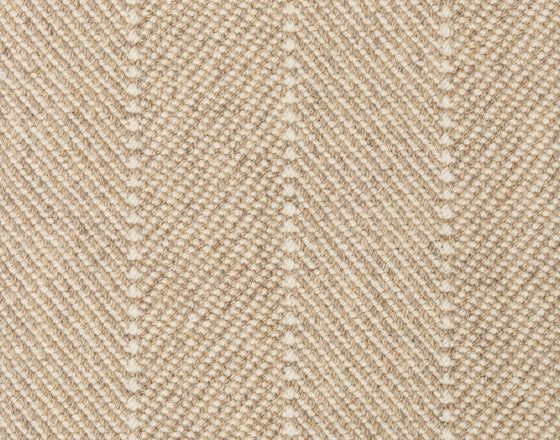
Look: This category is all about texture and "visual weight." Sisal (from the agave plant) offers a crisp, consistent woven pattern that adds structure to a space, while Jute provides a more relaxed, chunky, and casual appearance. These fibers are typically left in their natural tan, beige, and golden tones, though they can be woven into intricate patterns like herringbones or chevrons that synthetic materials simply cannot replicate.
Feel: The tactile experience varies greatly by fiber. Jute is the softest of the plant-based options, offering a t-shirt-like gentleness that works well in bedrooms. Conversely, Sisal is much tougher and can feel coarse or "scratchy" under bare feet. For this reason, these fibers are often used as area rugs layered over softer carpets or installed in "shoes-on" areas like entryways and home offices.
Performance: These fibers are incredibly strong but require a specific environment. Sisal is durable and stands up to heavy foot traffic without shedding or matting. However, most plant fibers are highly absorbent, meaning they do not handle moisture or liquid spills well and are prone to staining. While they are biodegradable and eco-friendly, they perform best in dry, climate-controlled rooms where their natural beauty can be preserved.
Polypropylene
Polypropylene carpet has been available since the 1950s and has gained increasing popularity in recent years, particularly among Chicago homeowners looking for value without sacrificing quality. Cost is one of polypropylene's biggest advantages. It is significantly more affordable than wool while still delivering dependable performance. Often used in both residential and commercial settings, this fiber offers a practical balance of value and dependable performance.
Look: Despite its budget-friendly reputation, polypropylene doesn't limit design options. Polypropylene is highly versatile from a design perspective, available in a vast array of textures and patterns, allowing for a wide selection of options to choose from. Because the fiber is "solution-dyed" (the color is added while the fiber is still a liquid), it possesses incredible colorfastness. This means it won't fade even when exposed to harsh sunlight or heavy cleaning, making it an excellent choice for bright sunrooms or basement "man-caves."
Feel: Modern manufacturing allows Polypropylene to be crafted into various piles, from low-profile loops to softer, more decorative textures. It generally feels denser and less "elastic" than nylon, providing a sturdy, firm surface underfoot that works well in utility-focused spaces.
Performance: This fiber’s greatest strength is its resistance to moisture and staining. It is virtually impossible to stain with water-based liquids, and it resists mold and mildew better than almost any other fiber. While it is more prone to "crushing" under heavy furniture compared to wool or nylon, its low cost and impressive resistance to the elements make it a high-value choice for high-spill areas or secondary living spaces.
Choosing the Best Carpet Fiber for Your Home
The right carpet fiber depends on how you use your space, what matters most to you, and where your budget lands. Each fiber type brings its own strengths to the table, and understanding those differences helps you make a more confident decision.
Stop by our showroom or book an appointment, and let our team help you create a space that feels right from the ground up.
Frequently Asked Questions About Carpet Fibers
What is the best carpet for high-traffic areas?
Nylon and Triexta (SmartStrand) are your best options for high-traffic areas. Nylon has been the gold standard for decades because of its exceptional resilience. It bounces back from foot traffic and maintains its appearance even in hallways, stairs, and entryways. Triexta offers similar durability with the added benefit of superior stain resistance, making it ideal for busy households. Both fibers are significantly more durable than polyester or natural fibers in areas that see constant use.
What is the best carpet for pets?
For homes with pets, Triexta is hard to beat. It offers excellent stain resistance against pet accidents and is incredibly durable. Nylon treated with stain-resistant finishes is another solid choice, especially for larger dogs whose nails can cause wear. Solution-dyed nylon or polyester carpets also work well since the color goes all the way through the fiber, making any damage less noticeable. Avoid delicate natural fibers like jute or untreated wool in pet-heavy areas, since they are more prone to staining and wear.
What is the most durable carpet fiber?
For homeowners focused on long-term value, wool remains the gold standard for durability. Wool fibers possess a natural property that allows the carpet to bounce back from heavy foot traffic and furniture weight without matting or crushing. This inherent resilience allows wool to maintain its original appearance for decades, often doubling the lifespan of high-end synthetics like nylon. While it requires maintenance, wool's natural longevity and sustainable performance make it a durable and cost-effective investment for your home over time.
What is the softest carpet fiber?
Wool and polyester are typically the softest carpet fibers. Wool has a natural softness that feels luxurious underfoot, which is one reason it's remained popular in bedrooms and formal living spaces. Polyester is also exceptionally soft and plush, often rivaling or exceeding wool in terms of comfort. Triexta offers impressive softness as well, making it a favorite for families who want both comfort and durability. Nylon can be soft depending on the construction, but it's generally chosen more for performance than plushness.
Is wool carpet worth the investment?
Wool carpet is absolutely worth it if you value natural materials, longevity, and environmental sustainability. Wool is incredibly durable and can last 20-30 years or more with proper care (much longer than most synthetic options). It is naturally stain-resistant, fire-resistant, and helps improve indoor air quality.