


Listen, we love our pets, but let's not pretend they're easy on our floors. Muddy paws, scratched hardwood, that one accident that happened right after you installed new carpet… If you have dogs or cats in Chicago, you know the struggle.
The question isn't whether your floors will take a beating. They will. The question is: which flooring can actually handle it?

What Makes Flooring Pet-Friendly?
Before we get into specific options, let's talk about what you're actually looking for. The best flooring for pets needs to check a few boxes.
Scratch resistance is obvious. Dogs don't retract their claws like cats do, so every time they walk across the floor, those nails are making contact. Some floors show this immediately, while others do a much better job at resisting damage.
Water resistance matters more than people think. Between things like spilled water bowls and the occasional indoor accident, your floor needs to handle moisture without warping, staining, or growing mold underneath.
Easy cleaning is non-negotiable. You need something you can clean quickly without special products or techniques because you're going to be cleaning a lot.
Comfort counts too. Hard surfaces can be tough on older pets' joints. If you have a senior dog, you might want something with a bit of give.
Flooring Options That Actually Work
Luxury Vinyl
This is probably your best bet if you want something that handles everything pets throw at it. Luxury vinyl stands up to scratches remarkably well, it's completely waterproof, and cleaning is as simple as sweeping and mopping.
The realistic wood (e.g., Springfield) and stone looks have gotten really convincing, too! Your guests won't know it's vinyl unless you tell them. Additionally, if a section does somehow get damaged, you can usually replace individual planks without redoing the whole floor.

Tile
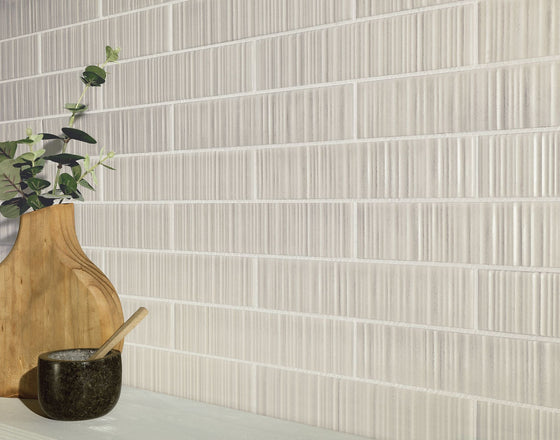
Natural stone and porcelain tile are practically indestructible. Scratches? Not happening. Water? Tile doesn't care. Accidents? Wipe them up quickly and move on.
The downside is that tile is hard and cold, which some pets don't love. Throw down some area rugs in spots where your pet likes to hang out, and you've solved that problem.
Pet-Friendly Carpet
"Wait, carpet?" Yes! Hear us out. Not all carpet is created equal, and some types are specifically designed with pets in mind.
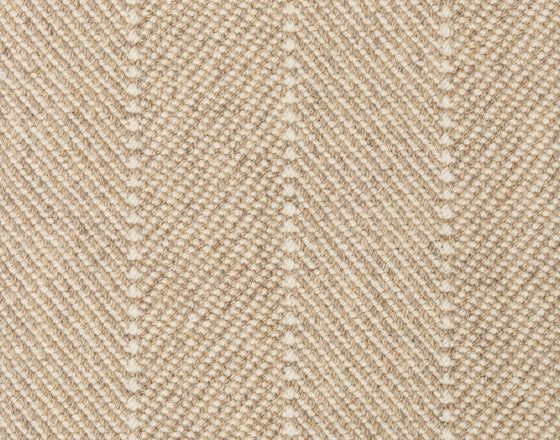
Look for carpet made from solution-dyed fibers or Triexta, the friendliest fiber for pets. These resist staining way better than regular carpet. Depending on your pet, looped carpet or low pile may work better than plush because they don’t trap as much pet hair and show fewer wear patterns. Just be thoughtful with looped carpet if you have pets that like to dig! Additionally, some pad options now come with built-in moisture barriers.
What About Hardwood?
Hardwood and pets have a complicated relationship. Real hardwood scratches. If you have a large dog or multiple pets, you're going to see wear no matter how often you trim their nails.
That said, some people don't mind the lived-in look that comes with pets and hardwood. And harder wood species like oak hold up better than softer ones like pine. Just go in with realistic expectations.
A Few Things to Keep in Mind
Whatever flooring you choose, lighter colors tend to show less dirt and pet hair than dark colors. Seems backwards, but it's true. Black floors will show every speck of dust and every white dog hair.
Textured surfaces hide minor scratches better than super smooth, glossy finishes. That’s something to think about if you're trying to decide between finish options.
Honestly, sometimes the best flooring for pets is the one you can afford to replace eventually. Pets are hard on floors. That's just reality. Choosing something durable and practical beats choosing something expensive that you'll stress about protecting.
Finding What Works for Your Home
The best flooring for pets really depends on your specific situation. What kind of pets do you have? How many? How old are they? What's your budget? How much maintenance are you willing to do?
Whether you're in a Chicago bungalow full of muddy paw prints from the backyard or a lakeview condo with a cat who thinks your floors are a scratching post, we've seen it all at Home Carpet One. Visit our showroom or book an appointment with our sales and design team to walk through the options and find flooring that works for both you and your four-legged family members. Your pets are part of the family, and your floors should be able to handle them.
Frequently Asked Questions About Pets & Flooring
-
What flooring is best when you have a dog?
-
Luxury vinyl plank flooring is the best overall choice for homes with dogs. It's completely waterproof, highly scratch-resistant, and easy to clean (all critical factors when dealing with muddy paws, accidents, and those clicking nails on the floor). Tile is another excellent option if you don't mind the hard, cold surface, though many dogs prefer the slightly softer feel of vinyl. If you have a large dog or multiple dogs, avoid real hardwood since scratches are inevitable no matter how often you trim their nails. Carpet can work if you choose pet-friendly options like solution-dyed fibers or Triexta with moisture-barrier padding, though vinyl remains the most practical choice for most dog owners.
-
What flooring is best for pet urine?
-
For pet urine specifically, waterproof luxury vinyl or tile are your best options. These materials won't absorb urine like carpet or wood, which means odors and bacteria can't penetrate into the flooring itself. With vinyl or tile, you can clean up accidents completely without worrying about lingering smells or damage to the subfloor. If you're set on carpet despite having pets with occasional accidents, look for carpet with moisture-barrier padding and solution-dyed or Triexta fibers that resist staining and odor absorption. Real hardwood and laminate are poor choices for homes where pet accidents happen. Both can suffer permanent damage and odor issues when exposed to urine repeatedly.
- What's better for pets, vinyl or laminate flooring?
-
Vinyl flooring is better for pets than laminate. The main reason comes down to water resistance. Quality vinyl plank flooring is completely waterproof, while laminate is only water-resistant at best. Pet accidents, spilled water bowls, and wet paws won't damage vinyl, though they can cause laminate to swell and warp if not cleaned up immediately. Vinyl also tends to be slightly softer underfoot, which is easier on pets' joints, especially for older dogs. Both materials resist scratches reasonably well, though vinyl typically handles wear better over time. If you're choosing between the two for a pet-friendly home, vinyl is the clear winner in terms of durability, maintenance, and performance.
-
Can dogs scratch luxury vinyl plank?
-
Dogs can technically scratch luxury vinyl plank, though it takes significant effort and rarely happens with normal use. Quality luxury vinyl flooring with a thick wear layer (20 mil or higher) is remarkably scratch-resistant and holds up well against dog nails. You might see some very light surface marks over time with large dogs, though these are usually minimal and don't affect the floor's performance or appearance noticeably. The key is choosing vinyl with an adequate wear layer for your dog's size. Bigger dogs with heavier paws need thicker wear layers. Compare this to hardwood, where scratches from dog nails are basically guaranteed, and vinyl is clearly the more durable option for pet owners.
-
What is the best carpet for dogs?
-
The best carpet for dogs is made from solution-dyed fibers or Triexta (often sold under the brand name SmartStrand). These materials resist staining exceptionally well and can handle the occasional accident without permanent damage. Look for low pile or loop pile carpet rather than plush styles. They trap less pet hair and show fewer wear patterns from paws and nails. Just be cautious with loop pile if you have dogs that like to dig, as their nails can snag the loops. Pair your carpet with moisture-barrier padding to protect against accidents that soak through. Avoid wool or untreated synthetic carpets in homes with dogs, as these stain more easily and require more maintenance than pet-specific options.
-
Is tile too hard for dogs?
-
Tile isn't necessarily too hard for dogs, though it does have some considerations. Younger, healthy dogs typically handle tile just fine, and many even prefer it in hot weather because it stays cool. For older dogs with joint issues like arthritis, tile can be uncomfortable over extended periods since there's no cushioning. The hard surface can also be slippery when wet, which is a concern for dogs with mobility issues or on stairs. If you love tile and worry about your dog's comfort, the solution is simple: place area rugs or dog beds in spots where your pet spends the most time resting. This gives them cushioned areas while still letting you enjoy tile's durability and easy maintenance in the rest of the space.


