
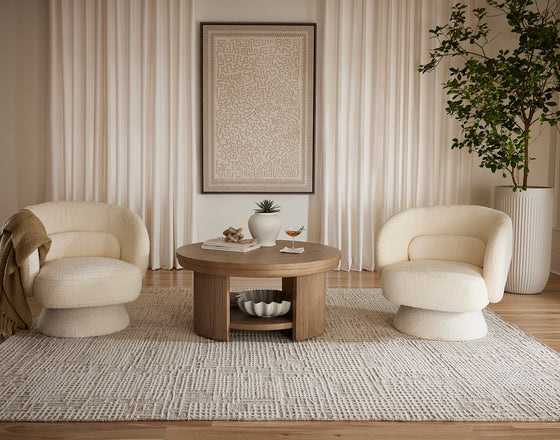


Floor and wall trends in 2026 center on natural texture, warm wood tones, earthy color, and the seamless flow of a single material running from floor to wall. Large-format tiles, matte finishes, classic patterns like herringbone, and tactile wall coverings are shaping the most talked-about Chicago interiors right now.
You spent weeks picking the sofa, the art, the perfect light fixture, and the room still feels flat. The culprit is usually hiding in plain sight: tired floors and bare, dated walls that quietly drag down everything you place on top of them.
Those two surfaces set the mood before anything else gets noticed. Here's what's worth your attention this year.
What's Driving Floor and Wall Trends in 2026?
Three ideas shape how homes look this year, and they all pull in the same direction. People want surfaces that feel warm, natural, and calm under hand and foot.
The big shift moves away from the cool gray minimalism that ruled the last decade. Now homeowners reach for honey-toned wood, soft clay color, and finishes with a little controlled imperfection that designers call wabi-sabi. These surfaces really do seem alive, and they tend to make a room feel settled.
For instance, a matte stone floor with gentle variation reads as far more welcoming than a flat slab. Texture does a lot of quiet work, so even a plain wall gains depth once you add a tactile finish. Color has grown bolder too, sliding from soft sand and taupe into deeper olive and terracotta.
Sustainability sits underneath all of it, since shoppers now ask where a material comes from and how long it will last. The thread through these trends stays simple, as rooms should feel personal and a bit imperfect in the best way. Keep that idea close, and the rest of these trends start to click.
Large-Format Tiles and Stone Surfaces
Oversized tiles keep gaining ground in 2026, and they change how a floor or wall feels at first glance. Fewer grout lines give you a clean, continuous surface that makes small rooms seem larger.
Stone looks have warmed up quite a bit lately. Yellows, soft reds, and faint hints of green now bring personality to kitchens, baths, and feature walls. A marble-look porcelain like Cal Borgini, for example, carries luxury veining across both floors and walls without the upkeep of real stone.
That same toughness holds up well outdoors, so an outside wall tile can wrap a patio or garden feature in the same warm tone as your interior. The effect feels pulled together, almost seamless, as your eye moves from inside to out.
Large parquet tiles have a following too, since they mix the warmth of wood with the easy care of porcelain. Big tiles also clean up fast, which busy families really appreciate after a long week. Designers often pick these formats for open-plan spaces, where the continuous look helps one zone flow into the next.
For a polished, modern home, oversized stone-look tile tends to be a safe and stylish bet.
Patterned Floors: Chevron, Herringbone, and Inlays
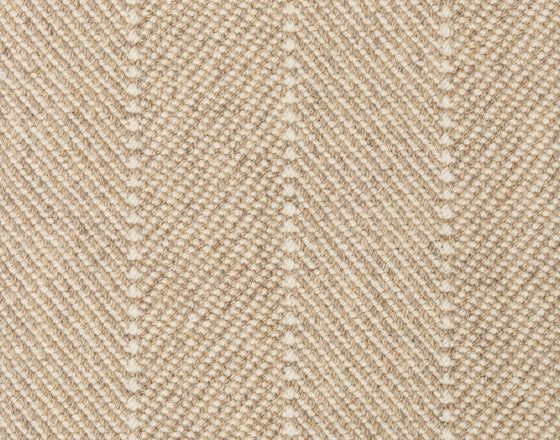
Pattern is back, and it brings real movement to a room. Chevron and herringbone layouts catch the light at angles, which gives a floor a tailored, custom feel.
These designs nod to old craftsmanship, yet they look fresh in a modern home. You might lay them on hardwood, tile, or even soft textile. A collection like Cosmo Chevron, for instance, pairs a bold zigzag with warm tones that suit most color schemes.
Woven carpet works beautifully here too, since a chevron weave adds quiet drama under a bed or down a hallway runner. Mosaic inlays have crept back as well, often as a small detail near a doorway or fireplace.
The size of the pattern matters quite a bit, as a wide chevron suits a large room while a tight weave fits a snug study. Picking the direction of the planks can stretch a narrow hallway, so the layout itself becomes part of the design.
The point of all this pattern is character, and a little usually goes a long way. Picked with a light touch, a patterned floor becomes the feature most guests notice first.
Warm Wood Tones and Matte Finishes
Wood stays a favorite for 2026, and the popular tones have turned warmer and softer. Honey oak and toasty browns in a matte or satin finish give floors that fresh, just-sanded look.
Glossy floors have stepped back, so the new matte coatings feel more relaxed and hide scuffs a bit better. Homeowners like that these finishes show off the natural grain rather than a shiny coat.
Water-resistant wood-look options now hold up in kitchens and baths, places where solid wood once struggled. A warm floor also pairs nicely with the bolder wall colors trending this year, so the two choices support each other.
For a calm, grounded room, a soft matte tone really sets the mood. The look sits well alongside clay walls and woven textiles for a cozy, lived-in feel.
Wall-to-Floor Continuity and the Tile-Drenching Trend
The single biggest idea this year wraps one material across the floor, up the walls, and sometimes over the ceiling. Designers call this tile drenching, and it turns a plain room into a calm, immersive space.
The trick works since your eye finds no hard break between surfaces, so the room feels larger and more restful. Bathrooms and entryways gain the most, where a continuous surface hides corners and awkward transitions. Pulling off this effect takes the right material and a careful plan.
This look performs well in a few specific spots around the home:
- Walk-in showers wrapped fully in one stone-look tile
- Entryways that need a calm, uninterrupted welcome
- Powder rooms where continuous color softens tight corners
- Cozy nooks lined floor to ceiling for a sheltered feel
Lighting plays a quiet role here too, since soft, even light keeps the surface from looking flat. Many homeowners add a slim recessed strip to let the texture show.
Tactile Wall Coverings and 3D Panels
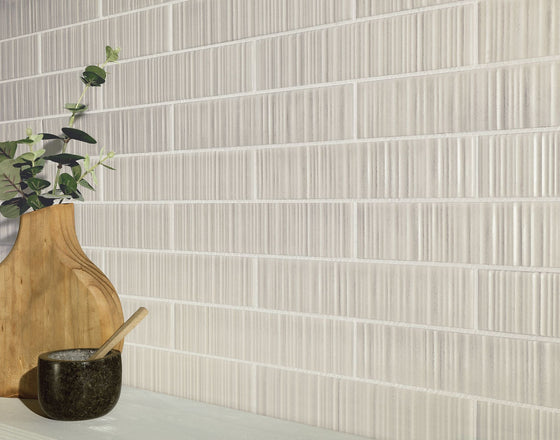
Walls have become a place for texture you can feel with your fingertips. Tactile coverings add depth and warmth that flat paint cannot match.
Wood-look tile leads this group, and a dimensional tile for wall use brings the elegance of fine inlay to a living room or office.
Picking the right texture usually comes down to seeing and touching samples in person, so a real showroom still matters. At Home Carpet One, our design associates help you compare finishes online, in the store, or over the phone, whichever suits you best. Plenty of other textured options have caught on this year.
Popular textured wall finishes include:
- Linen and grasscloth panels with a soft, natural weave
- Plaster-look wallpaper that copies hand-troweled walls
- Embossed three-dimensional panels that cast gentle shadows
- Acoustic felt panels that soften sound in busy rooms
Many of these panels go up fast with a peel-and-stick back, which suits renters and quick refreshes. A single accent wall often delivers the whole effect for very little money.
Are Handmade Ceramic Tiles and Eco Carpets Still Worth It?
Both keep their place in 2026, and for good reason. Handmade tiles and eco-friendly carpets answer the same craving for texture and honesty that drives every other trend this year.
Handmade ceramic tile carries small variations that machines cannot copy, so each piece looks a little different. Take Artisan, for example, where a glossy, high-variation ceramic tile catches the light in its own way on a backsplash or accent wall.
Carpet has come back too, often in natural fibers and earthy colors that feel cozy underfoot. Many of the newer styles use wool blends, which resist stains, hold warmth, and stay soft for years. A playful pick like Chatham Weave brings a fun and unique print that suits kids' rooms and hallway runners.
These natural fibers also handle foot traffic well, so they keep their shape in a busy home. They usually cost a bit more, yet they reward you with comfort and a handcrafted look that lasts. For a home that feels warm and grounded, they remain a smart choice.
Frequently Asked Questions
How Do I Choose Between Tile and Hardwood for a High-Traffic Room?
Both materials hold up well, so the choice usually comes down to feel and moisture. Tile shrugs off spills and scratches, which makes it a smart pick for entryways and mudrooms that see wet boots. Hardwood feels warmer underfoot and adds resale appeal, yet it really prefers drier spots like living rooms and bedrooms.
Think about who walks through the room, since a home with big dogs or young kids tends to do better with tough porcelain.
Can I Mix Different Flooring Materials in One Open-Concept Space?
Yes, and plenty of homeowners do exactly that to mark out separate zones. You might run warm wood through the living area, then switch to tile in the kitchen, where spills happen most.
The trick is keeping the colors in the same family, so the change feels intentional rather than choppy. A slim metal or wood transition strip usually bridges the two materials cleanly at the doorway.
How Do I Care for Matte Floors and Natural Stone?
Matte finishes ask for very little, which is part of their charm. A soft broom and a damp mop handle most days, so skip the glossy polishes that can leave a film.
Natural stone needs a gentle touch, since acidic cleaners like vinegar can etch the surface over time. A sealer once a year keeps the stone looking fresh, and a quick wipe of spills stops stains before they set.
What Should I Budget for a Surface Refresh?
Costs swing quite a bit based on the material and the size of the room. Vinyl plank and basic carpet sit at the friendly end, while natural stone and handmade tile climb higher.
Installation adds to the total, so ask for a quote that covers removal of the old surface and any subfloor prep. Buying in-stock products often trims the price, and it cuts the wait time too, since the material ships sooner.
How Long Does New Flooring Take to Install?
Most rooms wrap up faster than people guess. A single bedroom in floating plank can go down in a day, while a full tile bathroom with drying time might run three or four days. Tricky patterns like herringbone take longer, since each piece needs careful placement.
Are These Trends Suitable for Rentals or Small Spaces?
Absolutely, and small rooms sometimes show them off best. Light, warm tones and large tiles open up a tight floor plan, so a studio feels roomier right away. Renters can lean on peel-and-stick panels and area rugs, which add texture without touching the lease.
A landlord-friendly refresh like this lifts the whole space, and you can take the loose pieces with you when you move.
Can I Install New Flooring Over My Existing Floor?
In many cases, you can, which saves both time and demolition costs. Floating planks and some tiles go right over a sound, level surface like old vinyl or plywood, so the old layer stays put. The floor underneath has to be flat and dry first, since bumps and damp spots will telegraph through the new material.
Carpet and badly cracked tile usually need to come up, though, as they make a poor base. A quick check from an installer tells you whether your floor is ready or needs prep work.
Find Your Surfaces at Home Carpet One
The floor and wall trends shaping 2026 reward character, comfort, and texture, from warm wood tones and large-format tiles to handmade ceramics and floor-to-wall continuity. The right surfaces can redefine how every room feels and functions.
At Home Carpet One, three generations of Chicago flooring expertise back a selection of 100,000+ carpet, tile, stone, hardwood, and rug options. Our award-recognized showroom and dedicated design team help you choose with confidence, whether you shop in person, by phone, or online.
Browse 1,000+ in-stock products online now and bring home the trend that fits your space.


