
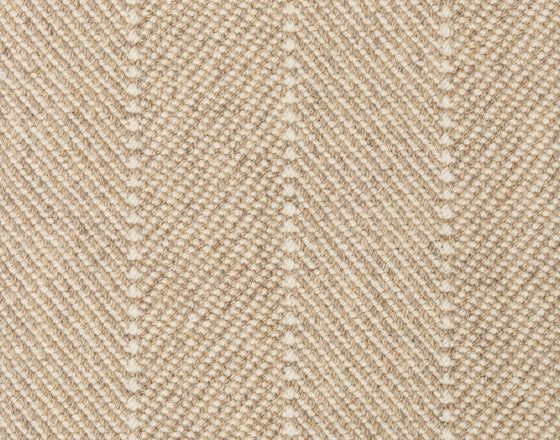


Wool is the best high-traffic carpet for most homes; naturally resilient, stain-resistant, and capable of lasting several decades with the right care. Nylon is the strongest synthetic alternative, offering excellent recovery under daily foot pressure.
Low-pile and loop-pile constructions in mid-tone or patterned colors last longest in busy zones like hallways, entryways, and stairs. Pair the right fiber with dense padding and a consistent maintenance routine, and your carpet can perform beautifully for 7 to 10 years.
You saved up, chose something you loved, and had it installed... and within two years, the hallway looks worn flat, the family room has a permanent shadow where everyone walks, and no amount of vacuuming brings it back. The hard truth is that most carpet failures trace back to a single moment: choosing the wrong product for the wrong space.
This guide walks you through every factor that separates a carpet that holds up from one that doesn't, so the next choice you make is one you won't regret.
Why High-Traffic Areas Demand the Right Carpet
Busy rooms take real punishment every single day. Shoes track in grit and moisture, pets drag in debris, and foot traffic grinds it all deeper into the fibers with every pass. That daily wear breaks down fibers, flattens the pile, and permanently dulls the appearance of carpets that weren't built for the job.
Three core qualities separate a carpet that lasts from one that doesn't: durability, resilience, and ease of maintenance. Choosing the right product for the right space actually matters more than most people realize at purchase time.
Some factors that accelerate carpet wear in busy rooms include:
- Heavy furniture placed directly on carpet without protective pads
- Grit and sand ground into fibers before vacuuming removes it
- Moisture trapped at the base of the pile from tracked-in weather
- Cleaning products that break down fiber coatings over time
- Direct sunlight fades and weakens surface fibers gradually
Material Matters: What Carpet Fibers Work Best?
The fiber your carpet is made from determines nearly everything about how it performs over time. Durability, softness, stain resistance, and shape retention all trace back to this one decision. Fiber type is, in a way, the foundation of every carpet choice you make.
The good news is that today's market offers really strong options across a wide range of budgets and performance needs.
Wool
Wool is a natural fiber with real resilience and a look that synthetic options can't quite replicate. It handles traffic well and resists staining naturally. Wool is most suited to residential spaces rather than areas with very heavy daily use, and the higher price point reflects its quality.
The best high-traffic carpet recommendations from Home Carpet One's flooring professionals consistently put wool at the top of the list for longevity. For hallways, stairs, and family rooms, a well-maintained wool carpet is typically the strongest long-term performer available.
Nylon
Nylon is widely considered the best carpet for high-traffic areas. It springs back after compression, resists staining, and holds its shape through years of heavy use.
Many nylon options come solution-dyed, meaning the color goes through the fiber rather than sitting on the surface. That process adds a significant level of stain resistance that standard dyeing methods can't match.
Triexta
Triexta is a newer synthetic fiber that offers impressive durability with a noticeably soft feel. Part of its composition comes from bio-based materials, so it carries some eco-friendly credentials that other synthetic fibers don't. For homes with kids or pets, Triexta is a very strong choice.
Polyester
Polyester tends to be the most accessible of the synthetic fiber options. Modern versions perform significantly better than older polyester carpets in high-use spaces, so the reputation for poor durability is somewhat outdated.
For moderate residential traffic, a high-density polyester actually holds up quite well.
Polypropylene
Polypropylene is worth serious consideration for entryways and below-grade spaces. It resists moisture and mildew naturally, making it a practical choice in areas where wet shoes and tracked-in weather are everyday realities. Polypropylene loop pile options are fairly durable and easy to maintain.
Construction and Pile: Go Low for Long-Term Wear
The way a carpet is constructed actually affects how well it handles daily pressure. Density and pile height both play a role in long-term performance. A heavy traffic carpet that looks great in year one but flattens by year three is a sign that construction specs were overlooked at the time of purchase.
Carpet Density
Density refers to how closely the fibers pack together in the pile. Higher density generally means more fibers per square inch, which makes the carpet more resistant to crushing and matting.
Density interacts closely with fiber type, too. A mid-density wool carpet can outperform a low-density nylon carpet simply because the fibers are packed in tighter.
Pile Styles to Consider
Different pile styles suit different levels of foot traffic. Loop pile and low-pile options generally outperform plush alternatives in busy areas.
- Loop pile or Berber, tightly woven loops that resist crushing, ideal for hallways, offices, and entryways
- Low-pile cut pile, shorter fibers that resist flattening, making vacuuming faster and more effective
- Cut and loop, a mix of both styles, offering texture with reasonable durability in moderate-traffic rooms
Plush, high-pile, and shag styles tend to flatten quickly under consistent foot traffic, so they're fairly impractical for the busiest zones in your home.
Performance Ratings: What the Numbers Actually Mean
Most carpets carry a performance rating that tells you how much wear they're built to handle. These ratings typically range from light residential use to heavy commercial grade. High-traffic commercial carpet carries ratings engineered for thousands of footsteps daily, far beyond what most homes ever see, yet still useful as a quality benchmark when comparing products.
For busy family homes, a residential heavy-duty rating (offered as part of the manufacturer's warranty) strikes the right balance between durability and aesthetic flexibility.
Not sure which tier fits your home? Home Carpet One offers a free design consultation, in person or virtual, so you can walk through your space's traffic patterns with a specialist before committing to a rating tier. With over 300 in-stock products available, finding a carpet that hits the right performance tier is significantly easier than most shoppers expect.
Performance rating tiers to look for:
- Residential light, suitable for bedrooms and low-use rooms
- Residential heavy-duty, recommended for family rooms, hallways, and stairs
- Commercial light, appropriate for offices and moderate business environments
- Commercial heavy-duty, designed for retail spaces and very high-use settings
What's the Best Color for High-Traffic Carpet?
Color choice in a high-traffic zone is a practical decision as much as a style one. The wrong color can make a carpet look dirty within weeks, even with regular vacuuming. That said, the range of practical color options today is actually quite wide, so you're not limited to dull or uninspiring choices.
Mid-Tones and Neutrals Work Best
Light solid colors reveal dirt, dust, and footprints very clearly. Very dark, solid colors tend to highlight lint, pet hair, and debris just as easily. Mid-tones, think charcoal, mocha, taupe, and warm gray, sit in the sweet spot between the two extremes and tend to complement a wide range of furniture styles and room designs.
Patterns and Flecks Hide Wear
Multi-tone flecked carpets are arguably the most practical option for high-use rooms. The varied color distribution across the surface disguises individual footprints and debris far more effectively than any solid tone.
Subtle patterns work in a similar way, breaking up the surface visually so that wear and staining are less obvious between cleaning sessions.
Area Rugs: Stylish Protection in High-Traffic Zones
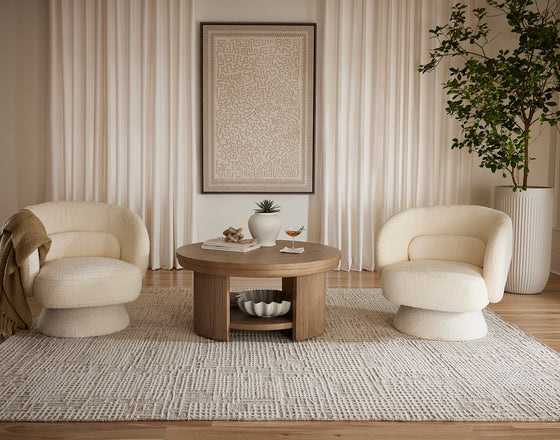
Area rugs give homeowners and renters a flexible way to protect busy floors without committing to a full replacement. They add warmth and visual interest to a room, and you can swap them out as your style preferences change over time.
For renters especially, a well-chosen area rug can genuinely transform a space that might otherwise feel generic.
Best Area Rug Types for High-Use Spaces
Flatweave rugs are thin, tough, and easy to clean. This is actually one of the more practical options for entryways and high-use corridors.
Indoor/outdoor rugs bring stain resistance and durability from their original construction, making them surprisingly stylish inside the home near weather-exposed entries. Low-pile wool rugs offer a more luxurious feel with real durability, and they tend to work very well in dining rooms and home offices.
Layering a runner over wall-to-wall carpet in a hallway is a fairly simple way to reduce wear on the underlying surface. You get the protection of something easy to clean or replace on top, and the installed carpet underneath stays in better condition for longer.
When shopping for area rugs in high-use spaces, look for:
- Tight weaves that resist crushing and hold their shape under regular foot traffic
- Dark or patterned colors that conceal daily wear between cleaning sessions
Carpet Padding: The Unsung Hero
Quality padding extends the life of your carpet by absorbing impact and reducing stress on the fibers with every step. The pad you choose is just as important to long-term performance as the carpet itself. Skipping a good pad (or choosing the wrong one) can cut your carpet's effective lifespan significantly.
Dense, Low-Profile Padding
High-density, low-profile padding is the right choice for hallways, stairs, and other heavy-use areas. Padding that's too soft or too thick actually accelerates wear by allowing the carpet to flex excessively under foot pressure. A firm, dense pad keeps the carpet stable and reduces the rate of fiber breakdown over time.
Moisture Barrier Pads
In areas prone to spills or tracked-in moisture, a pad with a built-in moisture barrier is a really smart investment. Products like Healthinex Memory Foam include a moisture barrier that stops liquid from seeping through to the subfloor. That barrier keeps stains from wicking back up during professional cleaning, so the full extraction process actually works as intended.
Expert Carpet Care and Maintenance Tips
Good maintenance habits extend the life of even the most durable carpet. The right routine keeps fibers cleaner, reduces the need for costly professional cleaning, and maintains the appearance of high-traffic areas for much longer.
Vacuum Frequently
Vacuuming at least every other day in the busiest zones prevents grit from working its way deep into the fibers. Please consult our team or your carpet's warranty to understand the best vacuum for your carpet type.
Letting debris accumulate between vacuuming sessions grinds it further into the pile with every footstep.
Handle Spills Immediately
Blotting a spill the moment it happens gives you the best chance of full removal. Press a clean cloth firmly into the affected area and work from the outside of the spill inward to avoid spreading it. Using a carpet-safe cleaner matched to your specific fiber type makes a real difference in how completely the stain lifts.
Schedule Professional Deep Cleaning
Even with a strong daily routine, professional cleaning every three to six months is worth scheduling in high-traffic homes. Hot water extraction, commonly called steam cleaning, reaches debris embedded deep in the pile that regular vacuuming can't touch. That level of cleaning refreshes any stain-resistant treatments applied to the fiber surface, so your carpet stays protected between sessions.
Use Doormats at Every Entry Point
Doormats are one of the most practical ways to reduce the dirt, grit, and moisture that reaches your carpet. Placing a durable mat both inside and outside every entry point traps debris before it travels deeper into the home, and that single habit can make a real difference in how long your carpet looks clean between professional cleanings. A large portion of the soil that ends up embedded in carpet fibers actually comes in on the soles of shoes, so stopping it early genuinely matters.
Look for mats with a coarse surface texture to scrub shoes effectively. Rubber-backed options hold up very well in exterior positions and are easy to shake out or rinse off. Replacing or cleaning your mats on a fairly regular basis keeps them doing their job rather than just moving debris around.
Frequently Asked Questions
How Long Does Carpet in a High-Traffic Area Typically Last?
The lifespan of a carpet depends heavily on the fiber type, the quality of the padding underneath, and how consistently you maintain it.
Nylon and triexta typically last between 7 and 10 years in busy residential spaces with proper care. Polyester tends to reach the end of its practical lifespan sooner in very high-use areas, usually around 5 to 10 years. Wool, on the other hand, can last several decades with the right maintenance routine.
Professional deep cleaning every three to six months, combined with regular vacuuming, genuinely extends the effective life of any carpet, sometimes by years.
What's the Difference Between Residential and Commercial Carpet Grades?
Residential and commercial carpets get engineered for very different levels of use. Commercial-grade carpet typically features a denser construction, a tighter pile, and a higher performance rating designed for thousands of footsteps daily across retail spaces, offices, and public buildings. Residential heavy-duty carpet offers comparable durability for busy family homes at a more accessible price point, and it comes in a much wider range of aesthetics and colors.
For most homeowners, a residential heavy-duty rating strikes the right balance between performance and design flexibility.
Can Carpet Work in High-Traffic Basements or Moisture-Prone Areas?
Carpet works very well in basements and moisture-prone spaces as long as you select the right fiber and pad combination. A moisture-barrier pad underneath adds a critical layer of protection against any dampness that works its way up from the subfloor.
If the basement floods regularly or sits below a high water table, talk to a flooring specialist about whether carpet tile or a fully removable rug is a safer bet than wall-to-wall installation.
How Do You Know When to Replace Rather Than Clean Your Carpet?
Several clear signs point to replacement rather than another round of professional cleaning. Permanent matting that doesn't recover after hot water extraction suggests the fiber structure has broken down beyond repair. Visible thinning, worn patches, or exposed backing tell you the pile has simply run its course.
Persistent odors that survive professional cleaning, particularly in homes with pets, often indicate that contamination has reached the padding or subfloor, so cleaning the surface no longer solves the actual problem. At that stage, replacing both the carpet and the pad is typically the more cost-effective decision over time.
Are There Eco-Friendly Carpet Options for High-Traffic Areas?
Eco-conscious shoppers have some genuinely strong options available today, and wool stands out as the most eco-friendly choice. As a natural, renewable fiber, wool biodegrades at the end of its life, a significant advantage over petroleum-based synthetics like nylon and polyester. Triexta, partly derived from bio-based materials, is a more sustainable alternative to fully synthetic fibers, but wool remains the strongest option for shoppers who prioritize sustainability.
Some manufacturers also produce carpets with recycled content in the fiber or backing, and low-VOC adhesives are now fairly standard in many installations. Asking specifically about environmental certifications and material sourcing when you shop helps you find options that align with your values without sacrificing performance.
Does Carpet Density Really Affect How Long It Lasts?
Density is one of the strongest indicators of carpet durability available to shoppers. A denser carpet packs more fibers into each square inch of pile, which means the surface resists crushing, matting, and visible wear patterns far more effectively under daily pressure.
How Much Does High-Traffic Carpet Cost?
Price mainly comes down to fiber, density, and padding, so the range varies a lot from one carpet to the next.
Wool sits at the premium end of the market, reflecting both its natural durability and its decades-long lifespan. Polypropylene and polyester sit at a lower price point, making them a reasonable choice for renters or lower-traffic secondary rooms. Nylon and triexta cost more but earn that back through resilience, typically lasting years longer under daily wear.
Installation, padding, and removal of old flooring add to the material cost on top of whatever fiber you choose. For a genuinely high-traffic room, spending more upfront on a denser pile and a quality pad usually costs less over time than replacing a bargain carpet every few years.
What Should I Look for When Shopping for Carpet in a Showroom?
A showroom visit goes significantly more smoothly with a few things in mind before you arrive. Bring photos of the room you're carpeting, so a flooring associate can match fiber and color options to your actual space and lighting. Natural daylight reads very differently from showroom lighting, so those photos give you a much more reliable reference point than memory alone.
Ask specifically about fiber type, density, and performance rating for any sample you're considering; those three factors tell you more about long-term durability than appearance or feel. A flooring specialist can walk you through options side by side, which makes comparing products far less confusing.
Does Carpet Color Fade in High-Traffic Areas?
Fading in carpet typically comes from two sources: UV light through windows and fiber abrasion from foot traffic over time. Solution-dyed carpet (where pigment goes through the fiber rather than sitting on the surface) holds its color noticeably better than standard dyed options. Wool resists fading somewhat better than most synthetic fibers due to its natural structure.
In rooms that see significant sun exposure, placing area rugs in the sunniest zones and using window treatments can slow the process quite effectively.
Make a Flooring Decision You Won't Have to Second-Guess
Choosing the right high-traffic carpet comes down to a few well-considered decisions: fiber type, pile construction, color strategy, quality padding, and a consistent maintenance routine. Make those calls thoughtfully, and your flooring can look great for decades, even in the rooms that never seem to slow down.
At Home Carpet One on North Lincoln Avenue, we've helped Chicago families and businesses make confident flooring decisions for over 50 years. Our showroom is recognized by industry publications as one of the most beautiful in the country. It gives you access to 100,000+ carpet and custom area rug options, including 300+ in-stock products available to browse online, in-store, or by phone.
Visit us in person or browse online to find a carpet that's built for your lifestyle.


