


A hardwood kitchen offers warmth and resale value but asks for careful upkeep; tile delivers the most durability and water resistance of the three; and vinyl gives you comfort and low-maintenance living at the lowest cost.
According to Harvard's Joint Center for Housing Studies, homeowners are projected to spend $519 billion on home improvements and repairs through mid-2027, and kitchens remain one of the most common rooms to get an update. Your kitchen floor takes the brunt of daily life: dropped pans, muddy paws, spilled coffee, and years of foot traffic. Picking the right one now saves you a costly redo later.
Start with the Big Picture
Picking flooring for a kitchen takes more thought than picking flooring for, say, a bedroom. Your kitchen faces water, heat, and heavy foot traffic every single day, so the surface you choose needs to keep up with real life, not just a photo shoot.
Think about how your household actually moves through the space before you commit to a material. A family with young kids or pets, for instance, tends to face more spills and scratches than a household without.
A few extra factors are worth weighing before you start comparing hardwood, tile, and vinyl:
- How much natural light the kitchen gets during the day
- Whether you plan to sell your home in the next few years
- How much of your budget you want to spend upfront
- Whether young kids or pets spend a lot of time in the kitchen
Is a Hardwood Kitchen the Right Choice?
Wood floors in the kitchen give a room a warmth that few other materials really match, and that warmth tends to carry nicely into the rest of an open-concept home. Hardwood tends to add real value to a house, too, since buyers often view it as a genuine upgrade.
If your kitchen opens into a living room or dining area, running the same wooden floorboards in the kitchen through both spaces creates one continuous look. Homeowners who care about resale value often lean toward hardwood for that exact reason.
Still, hardwood asks for a bit more care than tile or vinyl. Water and hardwood do not really get along, so spills need to be wiped up fairly quickly to avoid warping or staining. Scratches show up more easily, too, especially in busy households with dogs, cats, or chairs that get dragged across the floor often.
Refinishing a hardwood floor every so often keeps it looking sharp, though that adds a cost most homeowners do not expect upfront.
Hardwood tends to work best in kitchens that see moderate use and belong to households willing to stay on top of cleanup. A formal kitchen used mostly for entertaining, rather than daily cooking marathons, is typically a strong match for wood.
Kitchen Tile: Durable, Stylish, and Built to Last
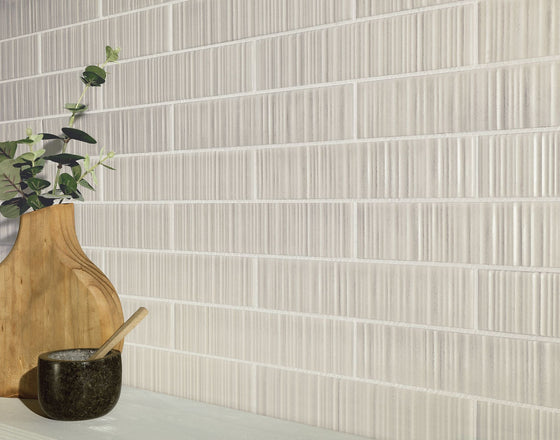
Kitchen tile more or less leads the pack when it comes to standing up to daily abuse. Porcelain and natural stone both resist water completely, so spills, splashes, and the occasional dropped pot of soup pose little real threat. Scratches from pet claws or dragged furniture barely register on tile, which explains why so many high-traffic kitchens rely on it.
Tile opens up a huge range of design options, with far more variety than hardwood or vinyl typically offer. Homeowners can choose bold patterns, subtle neutrals, or textures built to mimic wood or stone.
A few tile types are worth knowing before you shop:
- Porcelain tile, which resists moisture and scratching extremely well
- Textured porcelain tile, which improves grip and slip resistance
- Natural stone, including marble, slate, and travertine
- Large format tile, which creates fewer grout lines for a cleaner look
Grout is the one part of tile that needs a little upkeep, since it can stain or crack over time if it never gets sealed. Tile feels colder and harder underfoot than the other two options, so a rug near the sink or stove helps quite a bit. Installation typically calls for a professional, and tile is fairly heavy, which matters for upstairs kitchens, especially.
Tile just tends to fit best in busy households, homes with pets, or anyone who wants a floor built to outlast trends.
Is Vinyl Flooring the Smartest Choice for a Busy, High-Traffic Kitchen?
Vinyl flooring has come a long way, and luxury vinyl plank now mimics the look of real wood or stone fairly convincingly. Busy families tend to gravitate toward vinyl since it forgives daily life instead of punishing it. Spills wipe up in seconds, and dropped dishes rarely leave a mark the way they might on tile.
Vinyl feels noticeably softer and warmer underfoot than tile, which matters quite a bit for anyone who spends hours cooking each week. The material costs less than hardwood or tile in most cases. It also tends to muffle sound better, so a busy kitchen full of kids or pets stays a little quieter.
Vinyl comes with a few downsides that are worth knowing before you commit. Heavy furniture or appliances can dent the surface over time, and direct sunlight sometimes causes fading in certain spots.
Vinyl usually works best for families, rental properties, or anyone who wants a floor that handles daily chaos without much fuss.
Hardwood vs. Tile vs. Vinyl: Quick Comparison
Picking the right kitchen floor often comes down to ranking your priorities, since no single material wins in every category.
Hardwood scores highest for warmth and resale value, yet it asks for more careful upkeep than the other two. Tile takes the top spot for durability and water resistance, though it does feel colder. Vinyl lands in the middle on most measures, but it wins on comfort, cost, and ease of installation.
Homeowners who cook often and want a forgiving surface usually lean toward vinyl first. Anyone chasing long-term value or a showpiece kitchen tends to look at hardwood or tile instead.
Choosing the Right Floor for Your Lifestyle
The right choice for your kitchen really depends on how your household lives day to day, more than anything else.
A kitchen that sits at the center of family life, with kids doing homework at the counter and dogs underfoot, usually does best with vinyl since it holds up without demanding constant care. A showpiece kitchen built mostly for entertaining guests often justifies the extra care hardwood asks for, since the payoff shows up in both looks and resale value. A kitchen that takes constant abuse, like one shared by a large family or a home with several pets, typically holds up best with tile.
Each of these three materials works well in the right kitchen. The better question is which one matches how your family actually cooks, cleans, and gathers each day.
Need Help Choosing? Let's Talk
Picking a kitchen floor rarely feels simple once you start weighing water resistance, comfort, and budget all at once. A little guidance usually helps more than another hour of scrolling through photos online.
Home Carpet One has served Chicago homeowners since 1970, and our showroom, renovated in 2019, gives you a chance to walk on actual samples of hardwood, tile, and vinyl before you decide. Our design associates meet you wherever you are in the process, whether you already have measurements ready or you are just starting to think through a remodel.
Stop by our Lakeview location, give us a call, or reach out online, whichever fits your schedule best. Bring your measurements if you have them, or just bring your questions.
Frequently Asked Questions
Can You Install Hardwood in a Kitchen With a Dishwasher or Sink Nearby?
Yes, homeowners install hardwood near dishwashers and sinks quite often, though a bit of extra care helps it last. Engineered hardwood tends to handle moisture slightly better than solid hardwood, so it works well near appliances that occasionally leak.
A good seal around the sink and dishwasher keeps water from pooling on the floor for long stretches. Wiping up spills fairly quickly still matters a lot, no matter how well the floor gets sealed.
Is Vinyl Flooring Truly Waterproof Enough for Kitchens?
Most luxury vinyl plank and tile sold today counts as fully waterproof, not merely water-resistant. That makes vinyl a solid pick for kitchens where spills happen often, like near a sink, stove, or fridge.
Water sitting on the surface for a short time usually causes no damage at all. Standing water for days on end can still seep into seams eventually, so mopping up bigger spills sooner rather than later still helps. Checking the product label before you buy confirms whether a specific style counts as fully waterproof or just resistant.
Which Flooring Option Works Best in a Kitchen With Pets?
Tile typically holds up best in homes with dogs or cats, since claws barely scratch its surface. Vinyl comes in a close second, offering a softer feel underfoot along with solid scratch resistance for most breeds. Hardwood can work too, though larger or more active pets tend to leave marks over time.
A textured or matte finish on any material helps hide small scratches better than a glossy finish does. Homeowners with multiple pets often choose tile or vinyl first for that exact reason.
Does Kitchen Flooring Need to Match the Rest of the Home?
Matching is not required, though it often creates a smoother look in homes with open floor plans. A kitchen that flows directly into a living or dining area tends to look larger when the flooring continues in the same material. Closed-off kitchens have a lot more freedom, since a different material rarely feels out of place there.
Color and tone matter more than an exact material match in most cases. A wood-look tile can blend nicely with real hardwood in an adjoining room, for instance.
How Long Does Each Type of Kitchen Flooring Typically Last?
Hardwood floors often last several decades, especially with occasional refinishing along the way. Tile tends to last just as long, sometimes even longer, since it resists wear so well. Vinyl usually lasts somewhat less time than the other two, typically somewhere between ten and twenty years, depending on quality and daily use.
Foot traffic, sunlight exposure, and how well a floor gets maintained all affect these numbers quite a bit. Choosing a higher-quality product in any category tends to stretch its lifespan noticeably.
Ready to Choose Your Kitchen Floor?
Hardwood, tile, and vinyl each solve a different problem, and the right pick comes down to how your household actually uses the kitchen. Weigh your tolerance for maintenance, your budget, and how much durability you need before deciding on a hardwood kitchen or another material entirely.
Home Carpet One has helped Chicago homeowners navigate this exact decision since 1970, and our design-forward showroom lets you compare samples of every option side by side with a dedicated design associate. Explore our full flooring selection online to start narrowing down the right fit for your space.


